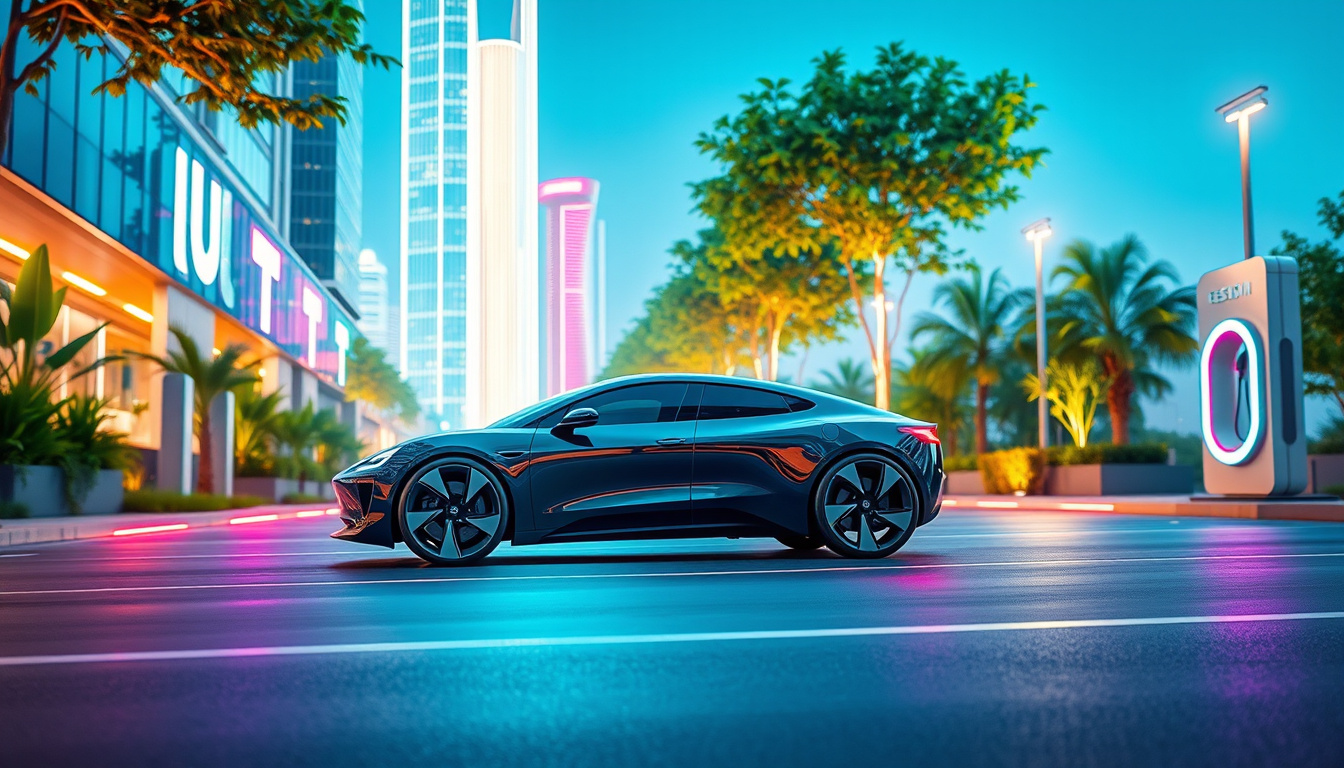
If you’re considering making the switch to an electric vehicle (EV), you’re not alone.
As the world shifts toward sustainable transportation, many drivers are eager to learn more about this innovative mode of travel.
This Ultimate Electric Car Beginner Guide will equip you with the fundamental knowledge needed to navigate the exciting world of electric cars.
From understanding the different types of EVs available to comprehending charging options and exploring cost considerations, this comprehensive guide serves as your first step toward driving into the future of transportation.

Key Takeaways
- Electric cars come in various types, including BEVs, PHEVs, and HEVs, catering to different needs.
- Going electric offers numerous benefits such as lower emissions, reduced fuel costs, and government incentives.
- Understanding charging options and infrastructure is essential for electric car ownership.
- Budgeting for an electric vehicle involves considering initial costs, savings on fuel, and potential maintenance expenses.
- The future of electric cars includes exciting trends like improved battery technology and growing charging networks.
Understanding Electric Cars: What You Need to Know
As more drivers embrace the future of transportation, understanding electric cars has never been more important.
This electric car beginner guide is designed to provide you with essential insights into the world of electric vehicles (EVs) and help you make informed decisions about your next car purchase.
From the basic principles of how electric cars operate, to the benefits of reducing your carbon footprint and potential savings on fuel, this guide covers everything from charging options to government incentives.
By familiarizing yourself with these key aspects, you’ll be well-equipped to navigate the exciting landscape of electric vehicles, paving the way for a greener and more sustainable driving experience.
Types of Electric Vehicles: From BEVs to PHEVs
If you’re exploring the world of electric vehicles, this electric car beginner guide is a perfect starting point.
Electric vehicles (EVs) are transforming the automotive landscape, and understanding the different types can help you make an informed decision.
The three main categories include Battery Electric Vehicles (BEVs), Plug-in Hybrid Electric Vehicles (PHEVs), and Hybrid Electric Vehicles (HEVs).
BEVs are fully electric, meaning they operate entirely on electricity stored in rechargeable batteries, offering zero tailpipe emissions and a cleaner driving experience.
On the other hand, PHEVs combine an electric motor with a conventional internal combustion engine, allowing drivers to switch between electric power and gasoline, thus providing more flexibility and range.
Additionally, HEVs use a gasoline engine in conjunction with an electric motor but do not require plugging in to charge, as they regenerate power through braking and driving.
By understanding these distinctions, you can navigate the evolving electric vehicle market with confidence.
‘The electric car is not just a new technology; it’s a new way of thinking about how we get around, how we consume energy, and how we live in our cities.’ – Elon Musk

Benefits of Driving an Electric Car: Why Go Electric?
Driving an electric car offers a multitude of benefits that make it an appealing choice for many consumers, especially for those who are just starting to explore the options available in the automotive market.
One of the primary advantages of electric vehicles (EVs) is their environmental impact; they produce zero tailpipe emissions, which significantly reduces air pollution and contributes to a cleaner planet.
Additionally, electric cars are often more cost-efficient to operate compared to traditional gasoline vehicles, given their lower fueling costs and reduced maintenance requirements.
For beginners seeking an electric car beginner guide, it’s essential to note that many governments offer incentives for electric vehicle purchases, such as tax credits and rebates, making them more financially accessible.
Charging infrastructure has also improved dramatically, providing greater convenience and flexibility for drivers.
Ultimately, by choosing to drive an electric car, individuals can embrace a sustainable lifestyle while enjoying modern technology and the benefits of innovative electric vehicle features.
Charging Your Electric Car: Options and Infrastructure
When embarking on your journey with electric vehicles, understanding the charging infrastructure is a crucial component of your electric car beginner guide.
Charging your electric car involves more than simply plugging it into a wall socket; there are various options available to suit different lifestyles and needs.
Home charging units, often referred to as Level 2 chargers, are convenient for daily use, allowing many drivers to start their day fully charged.
For those on the go, public charging stations, which can be found at shopping centers, workplaces, and along highways, provide vital access to rapid charging solutions, dramatically decreasing downtime.
Furthermore, with the growing network of DC fast chargers, it’s easier than ever to travel longer distances without worrying about charging delays.
By familiarizing yourself with these options, you equip yourself with the knowledge needed to maximize the advantages of electric vehicle ownership, making your transition smoother and more enjoyable.

Cost Considerations: Budgeting for Your Electric Vehicle
When venturing into the world of electric vehicles (EVs), understanding the cost considerations is a crucial aspect of your electric car beginner guide.
While the initial purchase price of an electric car may seem higher than that of a traditional gasoline vehicle, it’s essential to consider the long-term savings on fuel and maintenance.
Charging your EV at home can significantly reduce your monthly fuel costs, and many states offer tax incentives and rebates that can lower the upfront expense.
Additionally, electric vehicles generally have fewer moving parts, which translates to lower maintenance costs over time.
As you create your budget, factor in not just the purchase price but also these potential savings to get a more accurate picture of the overall financial commitment involved in owning an electric car.
Exploring Affordable Electric Options
As a beginner, understanding your budget is crucial. Explore our comprehensive guide on affordable electric vehicles to find options that won’t break the bank while still delivering the benefits of electric mobility.
For those seeking the most budget-friendly options, check out our article on the most affordable electric cars to see which models offer the best value for money in today’s market.
Before making the leap to electric, it’s essential to understand both sides. Review our detailed analysis of the pros and cons of electric cars to make an informed decision that suits your lifestyle and needs.
Expert Guidance for Electric Car Beginners
According to Edmunds’ comprehensive electric car guide, understanding the different types of electric vehicles is crucial for beginners, as each type offers unique advantages depending on your driving habits, budget, and charging access.
Beginner-Friendly EV Models to Consider
For beginners interested in specific brands, explore our guides on:
- New BMW electrical cars – German engineering meets electric innovation
- Brand new Hyundai electric models – affordable reliability
- Kia electric cars – value-packed options with excellent warranties
Environmental Impact for Beginners
Understanding the environmental benefits is key for many beginners. Learn more about how electric vehicles save the environment beyond just zero tailpipe emissions—including manufacturing impacts and lifecycle analysis.
Comprehensive Charging Information
As a beginner, charging can seem complex. Our detailed electric vehicle charging guide explains everything from home installation to public charging networks, making the transition seamless.
Calculate Your Charging Costs
Use our electric car charging cost calculator to estimate your monthly charging expenses and compare them to your current fuel costs—you might be surprised by the savings!
Sustainable Charging Options
For eco-conscious beginners, explore electric car solar chargers that allow you to power your vehicle with renewable energy right from your home.
Popular Electric Car Models for Beginners
Compact and Affordable Options
Beginners often prefer starting with compact, affordable models. Consider these excellent entry-level options:
- Hyundai Kona 2022 electric car – perfect balance of affordability and features
- MG ZS EV electric car – budget-friendly SUV option
- BYD Seal electric car – emerging value proposition
Electric SUVs for Beginners
If you prefer SUV versatility, explore Kia’s electric SUV models or the Volvo XC40 Recharge EV for premium options with beginner-friendly features.
Luxury Electric Options
For those seeking luxury, the Tesla Model X offers cutting-edge technology, while the Volvo C40 electric car provides Scandinavian sophistication.
Regional Pricing and Incentives
Electric car costs vary significantly by region. Check our regional guides for market-specific pricing and available incentives:
- Electric car deals in the UK – UK-specific incentives and pricing
- Electric cars in Malaysia – Asian market options for beginners
- Electric cars globally – worldwide market overview
Understanding EV Battery Technology
Battery Basics for Beginners
Understanding EV batteries is fundamental for any beginner. This knowledge helps you make informed decisions about range, charging, and long-term ownership costs.
Emerging Battery Technologies
While most current EVs use lithium-ion batteries, future models may incorporate newer technologies:
- Lithium-Sulfur battery technology – promising higher energy density
- Sodium-Ion battery technology – more sustainable alternatives
- Nickel-Metal Hydride technology – proven in hybrid vehicles
- Flow battery technology – potential for extended lifespan
Additional Maintenance Resources
Curious about specific maintenance needs? Learn about various EV components and technologies to better understand your vehicle’s requirements and care schedule.
Special Considerations for Different Needs
Family Electric Vehicles
Beginners with families should explore 7-seater electric cars with 3 rows that provide the space and versatility families need while delivering electric efficiency.
Performance-Oriented Options
For beginners who love performance, our guide to the fastest electric cars showcases what’s possible when electric motors meet sports car engineering.
Unique Electric Vehicle Options
Beyond traditional cars, beginners might be interested in unique options like the Fisker Ocean, which combines sustainability with innovative design features.
Finding and Test Driving Your First EV
Locate Electric Car Showrooms
Ready to see electric cars in person? Use our electric car showroom locator to find dealers near you where you can test drive various models and ask questions as a beginner.
Regional Availability
If you’re shopping in specific regions, check availability in your area. Beginners in different markets can explore regional options and incentives specific to their location.
Staying Informed About EV Developments
As a beginner, staying current with electric vehicle trends helps you make better decisions. Understanding emerging technologies and market trends ensures you choose a vehicle that will serve you well for years to come.
What’s the most affordable electric car for beginners?
The most affordable options vary by market. Check our guide on the most affordable electric cars and explore specific models like the MG ZS EV or Hyundai Kona for budget-friendly entry points.
How do I calculate the total cost of EV ownership?
Use our electric car charging cost calculator combined with purchase price, insurance, and maintenance estimates. Check regional incentives to understand total ownership costs in your area.
Where can I learn about charging my first electric car?
Our comprehensive electric vehicle charging guide covers everything beginners need to know, from home installation to public charging networks. Consider solar charging options for sustainable home charging.
What electric car brands are best for beginners?
Beginner-friendly brands include Kia, Hyundai, and MG for affordability, or BMW and Volvo for premium options with excellent support.
Should I buy an electric SUV as a beginner?
Electric SUVs offer great versatility for beginners. Explore Kia’s electric SUV models for value or the Volvo XC40 Recharge for premium features. For families, check out 7-seater options.
Where can I test drive electric cars as a beginner?
Use our electric car showroom locator to find dealers near you. Testing multiple models helps beginners understand which features and driving characteristics suit them best.
Are electric cars really better for the environment?
Yes! Learn about the comprehensive environmental benefits in our article on how electric vehicles save the environment. For balanced perspective, review the pros and cons of electric cars.
What battery technology should beginners know about?
Start with our EV batteries overview, then explore emerging technologies like Lithium-Sulfur and Sodium-Ion batteries to understand future developments.
Maintenance and Care for Electric Vehicles
When stepping into the world of electric vehicles (EVs), understanding the maintenance and care for electric cars is crucial for both new and experienced drivers.
This electric car beginner guide will walk you through the basics of keeping your vehicle in top shape.
One of the primary advantages of electric cars is their low maintenance needs compared to traditional gasoline vehicles.
Regular inspections should focus on the battery system, motor, and brakes, as well as tires and fluid levels.
Additionally, it’s vital to keep your EV’s software updated, ensuring optimal performance and safety.
Always be mindful of charging habits; using level 2 home chargers can enhance your battery’s longevity.
Overall, with minimal mechanical parts and no oil changes, an electric car can greatly simplify maintenance routines, making it a smart choice for environmentally-conscious drivers.

The Future of Electric Cars: Trends and Innovations to Watch
The future of electric cars is undeniably bright, as the automotive industry witnesses a sweeping transformation driven by technological advancements and increasing environmental consciousness among consumers.
For those diving into this innovative world, an ‘electric car beginner guide‘ serves as an essential resource to help navigate the evolving landscape.
One significant trend to watch is the rapid development of battery technology, which is crucial for enhancing the range and efficiency of electric vehicles (EVs).
Companies are investing heavily in solid-state batteries, promising quicker charging times and greater longevity.
Additionally, the rise of autonomous driving features is anticipated to revolutionize the EV market, making vehicles not only more efficient but also safer.
Furthermore, as charging infrastructure expands globally, with an emphasis on fast-charging stations, accessibility for electric car users will improve, alleviating concerns about range anxiety.
Keeping an eye on these trends and innovations will empower electric car enthusiasts and potential buyers alike to make informed decisions in this exciting era of sustainable transportation.
Frequently Asked Questions
What is an electric car?
An electric car is a vehicle that is powered entirely or partially by electricity, as opposed to conventional fuel sources like gasoline or diesel.
They use electric motors instead of internal combustion engines and can be fully electric (BEVs) or hybrid (PHEVs).
What are the different types of electric vehicles?
There are primarily three types of electric vehicles: Battery Electric Vehicles (BEVs) that run solely on electricity, Plug-in Hybrid Electric Vehicles (PHEVs) that combine a traditional engine with an electric motor, and Hybrid Electric Vehicles (HEVs) which have both an engine and a battery but do not need to be plugged in.
What are the benefits of driving an electric car?
Electric cars offer numerous benefits, including reduced greenhouse gas emissions, lower fuel and maintenance costs, and a quieter driving experience.
Additionally, many regions provide incentives for electric vehicle purchases, making them more financially attractive.
How can I charge my electric car?
You can charge your electric car using home charging stations, public charging stations, or a standard household outlet.
Charging options vary in speed; Level 1 charges are the slowest, while Level 2 and DC fast chargers offer quicker options.
What are some cost considerations for owning an electric vehicle?
When budgeting for an electric vehicle, consider the purchase price, potential tax credits or incentives, charging costs, insurance rates, and maintenance expenses, which can be lower compared to traditional cars due to fewer moving parts.