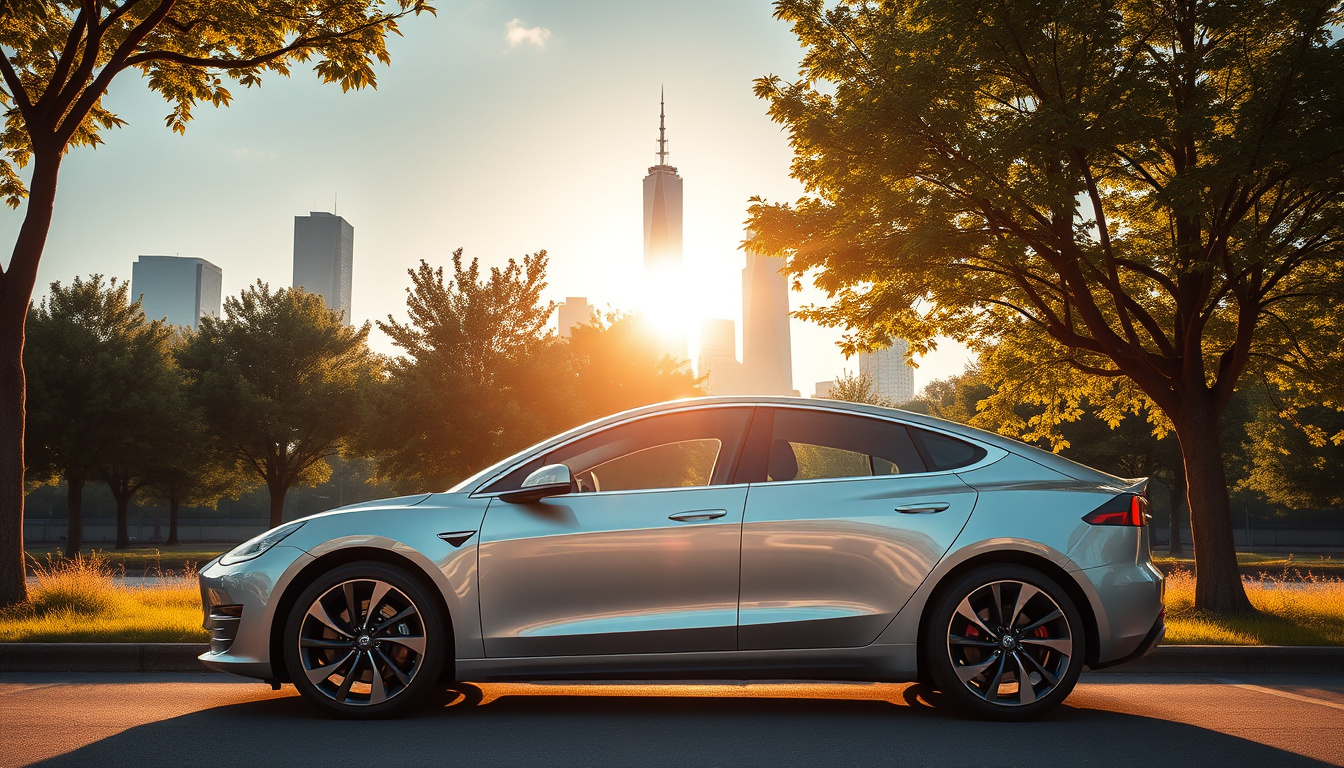
As electric vehicles (EVs) grow in popularity, many drivers are recognizing the importance of maximizing their electric car resale value.
Whether you’re upgrading to a newer model or simply looking to sell, understanding how to maintain and present your electric car can make a significant difference in its resale potential.
In this guide, we’ll explore essential strategies and insights to help you get the best return on your investment.
Key Takeaways
- Electric cars typically depreciate faster than traditional vehicles, highlighting the need for informed selling strategies.
- Factors such as battery life, mileage, and technology upgrades significantly impact electric car resale value.
- Regular maintenance and timely repairs can enhance your electric car’s appeal and resale price.
- Comprehensive documentation and a well-documented service history can greatly increase buyer confidence and resale value.
- Timing the sale of your electric car can influence resale value, with market demand peaking at specific times of the year.
Understanding Electric Car Depreciation
When considering the purchase of an electric vehicle (EV), understanding electric car depreciation is crucial, especially for those who are conscious about electric car resale value.
Unlike traditional gasoline-powered vehicles, electric cars experience a unique depreciation curve influenced by various factors including battery life, technology advancements, and market demand.
For instance, EVs often suffer a steeper initial depreciation in the first few years due to the rapid pace of technology developments—newer models often feature better battery efficiency and enhanced features that can affect the resale value of older models.
Moreover, government incentives can also play a role; as more benefits become available to new EV purchasers, this can lower the perceived value of used electric cars.
To maximize the resale value of an electric vehicle, owners should stay informed about market trends, consider suitable maintenance, and keep records of any upgrades or battery servicing done on their car.
By understanding these nuances of electric car depreciation, potential buyers can make more informed decisions, ultimately ensuring they get the best value when it comes time to resell their electric vehicle.
Factors Influencing Electric Car Resale Value
When considering purchasing an electric vehicle, understanding the electric car resale value is crucial for long-term financial planning.
Several factors influence this potential resale value, including the car’s brand reputation, battery life, and technological advancements.
Generally, well-established brands like Tesla tend to retain their value better than newer companies entering the market.
Additionally, the condition of the battery is paramount; vehicles with longer-lasting batteries or those that have been properly maintained will command higher resale prices.
Market demand also plays a role; as electric vehicles gain popularity due to environmental concerns and rising fuel costs, their resale values can remain stable or even appreciate in some cases.
Furthermore, government incentives and tax credits can affect initial purchase prices and, indirectly, the resale market.
Thus, prospective buyers should conduct thorough research on these influencing elements to make an informed decision regarding their electric vehicle investments.
‘A car is not a toy; it is a valuable asset that can depreciate quickly if not managed wisely.’ – Anonymous
Maintenance Tips to Boost Resale Value
When considering the electric car resale value, it’s essential to focus on proper maintenance to ensure your vehicle remains in excellent condition for potential buyers.
Regularly scheduled maintenance not only keeps your electric car running efficiently but also demonstrates to future buyers that the vehicle has been well cared for.
Start by following the manufacturer’s service schedule, which typically includes checks on the battery system, software updates, and braking systems.
Additionally, keeping the car clean—both inside and out—enhances its appeal.
Pay attention to the tires; maintaining them at the recommended pressure and rotating them as needed can positively impact your electric car’s driving performance and resale value.
Finally, retain all service records and receipts as they provide potential buyers with the reassurance that the vehicle has been properly maintained, ultimately helping to increase its resale value in the competitive electric car market.
The Importance of Documentation and Service History
When considering the resale value of electric cars, the significance of maintaining thorough documentation and service history cannot be overstated.
Potential buyers are increasingly savvy and look for transparency in service records, which can greatly influence their purchasing decision.
Detailed documentation—ranging from battery maintenance to any software updates—provides reassurance regarding the car’s performance and longevity.
In fact, electric car resale value can significantly depreciate if a vehicle lacks a clear history of care and servicing.
Comprehensive records not only enhance buyer confidence but can also justify a higher asking price.
Thus, to maximize electric car resale value, owners should prioritize keeping detailed documentation and ensure regular servicing is performed by qualified technicians.
Choosing the Right Time to Sell Your Electric Car
When considering the right time to sell your electric car, several factors can significantly influence its resale value.
Understanding the electric car resale value involves monitoring market trends, technological advancements, and overall demand for electric vehicles.
Generally, the ideal moment to sell is when the car is still under warranty and in excellent condition, often within the first three to five years of ownership.
During this period, depreciation is slower, and potential buyers are willing to pay a premium for newer models with updated features and longer-range capabilities.
Additionally, keeping an eye on the introduction of new electric models can help you identify the best selling windows, as the release of innovative technology can spike interest in earlier models, temporarily boosting their market value.
By aligning your selling strategy with these trends, you can maximize your electric car resale value, ensuring a satisfactory return on your investment.
Comparing Electric Car Models for Resale
When considering the dynamic market of electric vehicles (EVs), one crucial aspect often overlooked is their resale value.
The electric car resale value can vary significantly among different models, influenced by factors such as brand reputation, battery life, and technological advancements.
For instance, brands like Tesla have consistently demonstrated higher resale values due to strong demand and a solid technological foundation.
In contrast, more budget-friendly models may experience steeper depreciation rates, resulting in lower resale values.
By comparing electric car models, potential buyers can make informed decisions, keeping future resale value in mind.
Understanding market trends, warranty terms, and consumer preferences can empower buyers to invest in electric vehicles that not only serve their initial needs but also offer a robust return down the line.
Marketing Strategies for Effective Selling
In the fast-evolving automotive industry, understanding the electric car resale value is crucial for both sellers and buyers.
One of the most effective marketing strategies involves educating potential customers about the long-term benefits of electric vehicles.
Highlighting the lower running costs, reduced environmental impact, and government incentives can greatly influence their buying decision.
Additionally, incorporating customer testimonials and real-world resale data in your marketing materials can provide credibility, showing that electric cars retain their value better than traditional vehicles.
Use digital marketing campaigns to target environmentally conscious consumers, emphasizing the overall value proposition, which includes not only the initial purchase price but also its competitive resale value.
Engaging content, such as informative blog posts and videos, can further enhance a potential buyer’s understanding, making them more likely to consider an electric vehicle as a viable investment.
Electric Car Resale Value: What Holds Value (and What Doesn’t) in 2026
So you’re loving the idea of going electric—the lower “fuel” bills, the smooth acceleration, the quiet cabin. But there’s one lingering question: “Will my EV be worth anything when I sell it?”
Good news: the resale landscape for EVs has transformed dramatically since 2023. Thanks to stronger batteries, longer warranties, and surging demand, many electric cars now depreciate slower than gas-powered counterparts. In fact, some—like the Tesla Model 3 or Hyundai Ioniq 5—retain over 60% of their value after 3 years, beating sedans like the Toyota Camry.
But not all EVs are created equal. Resale value hinges on brand trust, real-world range, charging speed, and battery health. If you’re eyeing a premium compact like the Volvo XC40 Recharge or comparing it with the Audi Q4 e-tron, their long-term value could influence your decision more than you think.
Why Some EVs Hold Value Better Than Others
Three big factors drive EV resale value in 2026:
1. Battery Health & Warranty
Buyers care less about mileage and more about state of health (SoH). A battery that retains 85% capacity is far more desirable than one at 65%—even with fewer miles. That’s why capacity-guaranteed warranties (e.g., “70% SoH for 8 years”) from brands like Hyundai, Kia, and Tesla boost confidence. Plus, most EV warranties are fully transferable, adding tangible value at resale.
2. Brand Reputation & Tech Relevance
Tesla still leads here—its over-the-air updates keep cars feeling “new.” But Korean brands (Hyundai, Kia, BYD) are closing the gap with long-range models and ultra-fast charging. Meanwhile, early EVs with slow charging or outdated infotainment (looking at you, 2017 Nissan Leaf) lose value fast.
3. Charging Compatibility
With the NACS (Tesla) standard opening to Ford, GM, and Volvo, cars that can access Superchargers or 350 kW networks are more future-proof—and thus more valuable. An EV stuck on CHAdeMO or limited to 50 kW DC charging? Not so much.
🔋 Understanding battery longevity? Dive into our guide on EV batteries and real-world degradation.
Top EVs with Strong Resale Value in 2026
According to Kelley Blue Book and Cox Automotive, these EVs lead in 3-year retained value:
- Tesla Model 3: ~63% retention
- Hyundai Ioniq 5: ~61%
- Kia EV6: ~60%
- Ford Mustang Mach-E: ~58%
- Volvo XC40 Recharge: ~55% (rising due to safety rep + Google OS)
Budget models like the MG ZS EV or older Nissan Leafs typically retain 40–50%, mainly due to shorter range and slower charging. Still, they’re great entry points if you plan to keep the car long-term.
📉 Curious how depreciation compares overall? See the full pros and cons of electric cars—including total cost of ownership.
How to Maximize Your EV’s Resale Value
You’re not powerless—smart habits boost resale price:
✅ Keep software updated – OTA updates add features and security
✅ Use AC charging 90% of the time – preserves battery SoH
✅ Avoid deep discharges – keep SoC between 20–80% for daily use
✅ Maintain records – even digital service logs matter
✅ Choose versatile trims – AWD and mid-range batteries sell fastest
And if you’re installing a home EV charger, that’s a selling point—buyers love move-in-ready EV setups.
🌍 Strong resale = less waste. Learn how electric vehicles save the environment across their full lifecycle.
Final Thoughts
Electric car resale value isn’t a gamble anymore—it’s predictable, data-driven, and increasingly favorable. Focus on battery health, brand trust, and charging flexibility, and your EV could hold its worth better than a gas car. In 2026, going electric isn’t just eco-smart—it’s financially savvy, too.
Frequently Asked Questions
What factors influence the resale value of electric cars?
Several factors influence the resale value of electric cars, including the vehicle’s brand and model, battery health, mileage, overall condition, and market demand.
Additionally, technological advancements and changes in incentives for electric vehicles can also impact resale values.
How can I maintain my electric car to boost its resale value?
Regular maintenance plays a crucial role in retaining resale value.
This includes timely battery checks, software updates, keeping the car clean, and addressing any mechanical issues promptly.
Maintaining a comprehensive service history also helps demonstrate to potential buyers that the car has been well cared for.
When is the best time to sell my electric car?
The best time to sell an electric car is typically before it hits the 100,000-mile mark, as this can significantly impact its value.
Additionally, selling during peak demand seasons, such as spring and summer, can result in a higher resale price.
Why is documenting service history important for resale value?
Documenting the service history of your electric car establishes credibility with potential buyers, showing that the vehicle has been properly maintained.
This can make the car more attractive and help justify higher resale pricing.
What marketing strategies can I use to effectively sell my electric car?
Effective marketing strategies include creating compelling listings with high-quality photos, highlighting unique features of the electric car, using social media and online marketplaces, and being transparent about the car’s history and performance to build trust with potential buyers.