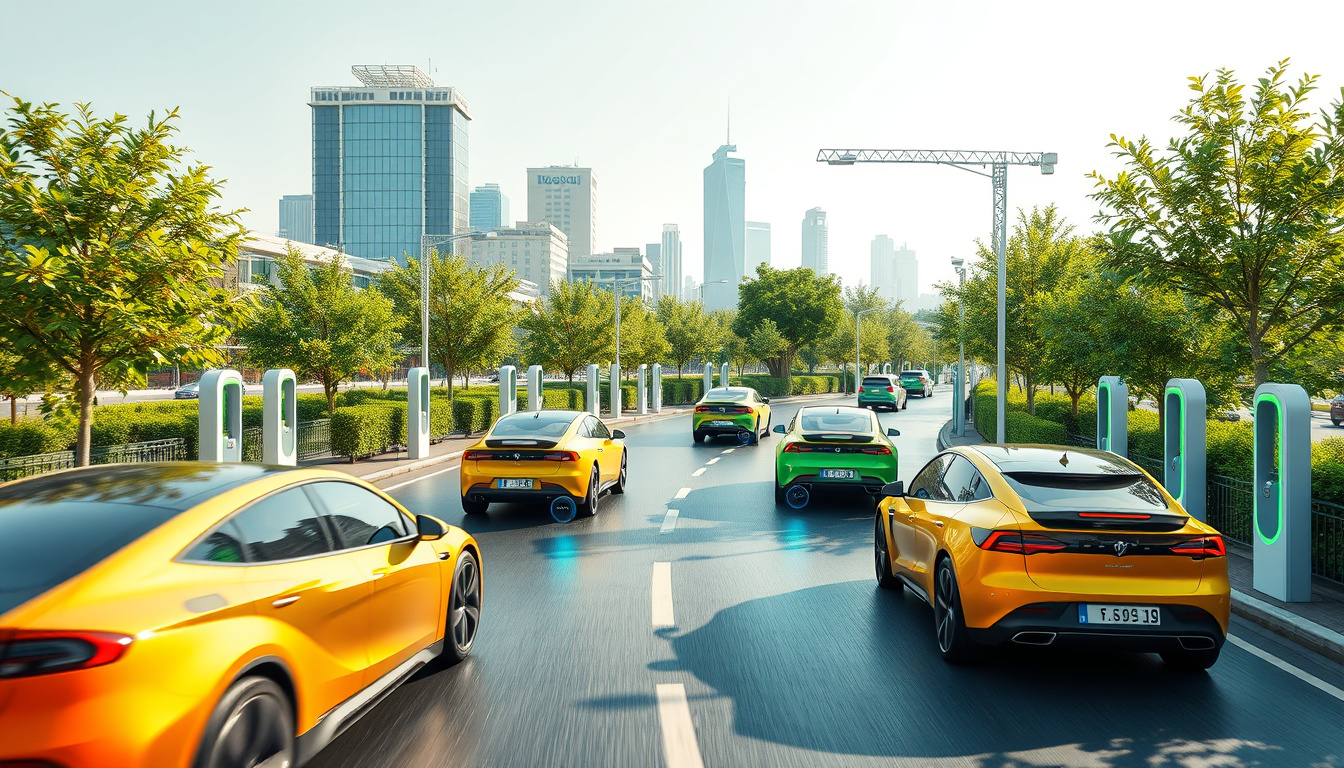
As we stand on the cusp of a significant shift in the automotive industry, the question arises: Should I buy an EV in 2026?
With advancements in technology, growing environmental concerns, and various economic incentives, buying an electric vehicle (EV) seems more appealing than ever.
This article will explore the pivotal reasons why 2026 might be the perfect year to make the switch to an electric car, analyzing key factors such as economic benefits, environmental impact, and the evolving landscape of EV technology.
Key Takeaways : Should I Buy an EV in 2026
- 2026 is set to be a pivotal year for the adoption of electric vehicles (EVs).
- Buying an electric car now can lead to significant long-term economic savings.
- Electric vehicles offer substantial environmental benefits compared to traditional combustion engines.
- Innovative technologies expected by 2026 will enhance the performance and appeal of electric cars.
- Government incentives in place are designed to make purchasing electric vehicles more accessible and affordable.
Introduction to Electric Vehicles: A Shift in the Automotive Industry
As the automotive industry continues to evolve, many consumers find themselves asking, ‘Should I buy an electric car in 2026?’ The rise of electric vehicles (EVs) is not just a passing trend; it signifies a transformative shift towards sustainable transportation.
With advancements in technology, increasing concerns about climate change, and favorable government policies, 2026 presents an exciting opportunity for potential EV buyers.
This era promises enhanced battery life, expanded charging infrastructure, and a wider range of affordable models, making the decision to invest in an electric car more compelling than ever.
By understanding the benefits and developments in the electric vehicle market, you can make a more informed choice about whether to embrace this innovative mode of transportation.
Economic Benefits of Buying an Electric Car in 2026
If you are pondering the question, ‘Should I buy an electric car in 2026?’ the economic benefits might provide the extra nudge you need.
The landscape for electric vehicles (EVs) is rapidly evolving, making 2026 a promising year for potential buyers.
Firstly, government incentives are expected to be even more substantial by 2026, with tax credits and rebates aimed to ease the transition to greener technologies.
Additionally, the total cost of ownership for electric cars is becoming increasingly attractive, as the price of batteries continues to decrease and the efficiency of EVs improves, leading to lower maintenance and fuel costs over time.
Moreover, many regions are investing in expanding EV infrastructure, reducing range anxiety and making it more feasible to own an electric vehicle.
Coupling these advantages with rising gas prices could solidify the decision to buy an electric car in 2026 as not just environmentally responsible, but also economically savvy.
‘The future belongs to those who believe in the beauty of their dreams.’ – Eleanor Roosevelt
Environmental Impact Considerations for Electric Vehicles
As we head into 2026, one crucial factor that potential car buyers are weighing is the environmental impact of electric vehicles (EVs).
If you’re asking yourself, ‘Should I buy an electric car in 2026?’ it’s essential to understand how EVs contribute to reducing carbon emissions and combating climate change.
Electric cars offer numerous environmental benefits, including reduced tailpipe emissions and lower greenhouse gas emissions over their lifecycle compared to traditional gasoline-powered vehicles.
Furthermore, innovations in battery technology are improving the sustainability of electric vehicles, with an emphasis on minimizing the ecological footprint of battery production and disposal.
As renewable energy sources become more predominant in electricity generation, the overall environmental advantages of electric vehicles are expected to increase.
Therefore, considering the environmental impact of electrification could make your decision more informed as you contemplate investing in an EV.
Technological Advancements: What to Expect in 2026
As we look ahead to 2026, the automotive industry is on the brink of significant technological advancements, raising the critical question: ‘Should I buy an electric car in 2026?’ The coming years are set to bring about innovations in battery technology, with extended ranges and quicker charging times becoming the norm.
Additionally, significant strides in autonomous driving technology will enhance safety and convenience, making electric vehicles (EVs) not just eco-friendly, but also more user-friendly than ever before.
Governments are likely to offer even more incentives to promote the shift towards sustainable transportation, further sweetening the deal for potential buyers.
This, combined with the decreasing costs of EV models, makes 2026 an enticing year for those considering the switch to electric.
With a growing infrastructure for charging stations and an increasing variety of models to choose from, the question shifts from ‘Should I buy an electric car in 2026?’ to ‘Which electric car should I buy in 2026?’ As these advancements unfold, it’s crucial to stay informed and weigh the benefits of joining the electric revolution.
Government Incentives and Policies Supporting Electric Vehicle Purchases
As we look ahead to 2026, many potential car buyers are asking themselves, ‘Should I buy an electric car in 2026?’ One of the critical factors influencing this decision will undoubtedly be government incentives and policies designed to promote electric vehicle (EV) adoption.
Various governments worldwide are implementing tax credits, rebates, and grants that can significantly reduce the upfront cost of purchasing an electric car.
For instance, in many regions, buyers can enjoy federal and state tax incentives that can range from a few thousand to over ten thousand dollars, making EVs more financially attractive.
Additionally, several countries are establishing stricter emissions regulations, while others are investing in infrastructure to support charging stations, enhancing the practicality of owning an electric vehicle.
As EV technology continues to advance, and with battery prices expected to decline, potential buyers in 2026 will likely find that both the government’s financial support and the overall market conditions may tip the scales in favor of making the switch to electric.
Consumer Experiences: Real Stories from Electric Car Owners
As the automotive landscape continues to evolve, many potential buyers are weighing the question, ‘Should I buy an electric car in 2026?’ To gain valuable insights, we can turn to the real experiences of electric car owners, who have navigated the transition from traditional vehicles to electric alternatives.
For example, Samantha, a mom from California, shares her journey of purchasing a Tesla Model 3 two years ago.
She highlights the significant savings on fuel and lower maintenance costs as key motivators in her decision, emphasizing that electric cars have not only been environmentally friendly but economical in the long run.
Additionally, Tom, an early adopter from New York, recounts how the convenience of home charging made owning an electric vehicle a game changer.
These personal stories illustrate the growing satisfaction among electric vehicle owners, which can help inform anyone pondering the question of whether to buy an electric car in
2026.
With advancements in technology, increasing charging infrastructure, and government incentives, consumer experiences reflect a shifting mindset towards the positive benefits of electric vehicle ownership.
Conclusion: Making the Decision to Go Electric in 2026
As we stand on the brink of 2026, many potential car buyers are wrestling with the question: ‘Should I buy an electric car in 2026?’ The answer largely hinges on individual circumstances, but there’s no denying that the shift towards electric vehicles (EVs) is gaining momentum.
With advancements in battery technology, an expanding network of charging stations, and the increasing affordability of EVs, 2026 promises to be a pivotal year for electric car adoption.
The environmental benefits, including lower greenhouse gas emissions and reduced reliance on fossil fuels, further solidify the case for going electric.
Additionally, governmental incentives and rebates may still be in effect, making it financially appealing to invest in an EV now.
However, evaluating your driving habits, range needs, and local infrastructure is critical before making a decision.
In conclusion, if you’re considering a new vehicle in 2026, weighing the advantages of an electric car against your specific needs is essential to making an informed choice.
Should I Buy an Electric Car in 2026? A Practical Decision Guide
Let’s be real: the electric car market has changed dramatically since 2020. In 2026, you’re not choosing between a cramped Nissan Leaf and a $100K Tesla. You’ve got dozens of compelling options—from the ultra-efficient MG ZS EV to the tech-loaded Hyundai Ioniq 5—all with 300+ miles of range, ultra-fast charging, and premium features at mainstream prices.
But is now the right time for you? The answer depends less on the cars and more on your lifestyle, parking situation, and driving habits. If you can charge at home, drive more than 8,000 miles a year, and plan to keep your car for 5+ years, 2026 might be the sweet spot—thanks to strong incentives, mature tech, and falling prices. Still unsure? Our guide on is an electric car worth buying breaks down the core value proposition.
Ask Yourself: Do You Have Access to Reliable Charging?
This is the #1 factor. If you can charge at home—even with a standard 120V outlet—you’re already 90% ready for an EV. Most daily commutes (under 40 miles) can be covered with overnight Level 1 charging. But for true convenience, a Level 2 home charger (240V) is ideal—and may qualify for a $1,000 federal tax credit plus utility rebates.
If you live in an apartment or rely solely on public chargers, proceed with caution. While networks like Electrify America and Tesla Superchargers are expanding, public charging is best for top-ups—not primary fueling. That said, if your workplace offers free Level 2 charging, or you have reliable stations near home, it can work.
🔌 Not sure about setup costs? See real home EV charger installation costs before deciding.
Financial Readiness: Incentives, Savings & Total Cost
2026 is one of the best years financially to go electric:
- Federal EV Tax Credit: Up to $7,500 for new EVs that meet battery sourcing rules (e.g., Chevrolet Blazer EV, Hyundai Ioniq 5)
- State Rebates: California ($2,000), Colorado ($3,500), New York ($2,000)—on top of federal credits
- Lower “Fuel” Bills: Save $600–$900/year vs. gas, especially with home charging
- Reduced Maintenance: No oil changes, fewer repairs = ~50% lower service costs
Use tools like the EV charging time calculator to estimate your personal usage, and compare against the total cost of ownership for electric cars. For many, the math tips heavily in favor of EVs by year 3.
🛡️ Worried about long-term reliability? Learn how electric car warranties protect your investment.
Lifestyle Fit: Who Benefits Most in 2026?
An EV makes the most sense if you:
✅ Drive 5,000+ miles per year (to realize fuel/maintenance savings)
✅ Have off-street parking (garage, driveway, or dedicated spot)
✅ Take mostly local trips (with occasional road trips—DC fast charging makes this feasible)
✅ Value quiet, smooth acceleration and cutting-edge tech
✅ Care about resale value (top EVs now hold value better than gas cars)
If you drive less than 5,000 miles/year, live in a dense urban area with no charging access, or frequently tow heavy loads, a plug-in hybrid or efficient gas car might still be smarter—for now.
🌍 Even modest EV adoption helps. See how electric vehicles save the environment across their full lifecycle.
Final Thoughts
So, should you buy an electric car in 2026?
Yes—if you can charge conveniently and drive enough to benefit from the savings.
Not yet—if you lack reliable charging and drive very little.
The good news? The window is wide open. With better models, stronger incentives, and smarter infrastructure, 2026 offers the most balanced, accessible EV market we’ve ever seen. Do your homework, assess your routine, and you might find the switch is easier—and more rewarding—than you imagined.
Frequently Asked Questions
What are the key benefits of buying an electric car in 2026?
Buying an electric car in 2026 comes with several benefits, including lower running costs, government incentives, and advancements in technology that improve vehicle performance and charging infrastructure.
How do electric cars impact the environment compared to traditional vehicles?
Electric cars produce zero tailpipe emissions, significantly reducing greenhouse gas emissions and air pollution.
When charged from renewable energy sources, their overall environmental impact is much lower than traditional gasoline vehicles.
What technological advancements can we expect in electric vehicles by 2026?
By 2026, we can expect improvements in battery technology leading to longer ranges, faster charging times, and enhanced vehicle features such as self-driving capabilities and better integration with smart technologies.
Are there government incentives available for purchasing electric cars in 2026?
Yes, many governments offer incentives such as tax credits, rebates, and grants to encourage electric vehicle purchases.
These incentives can significantly reduce the overall cost of buying an electric car.
What do current electric car owners say about their experiences?
Many electric car owners report high satisfaction levels, praising the low maintenance costs, quiet driving experience, and the convenience of home charging.
They also appreciate the growing infrastructure of charging stations that make long-distance travel more feasible.