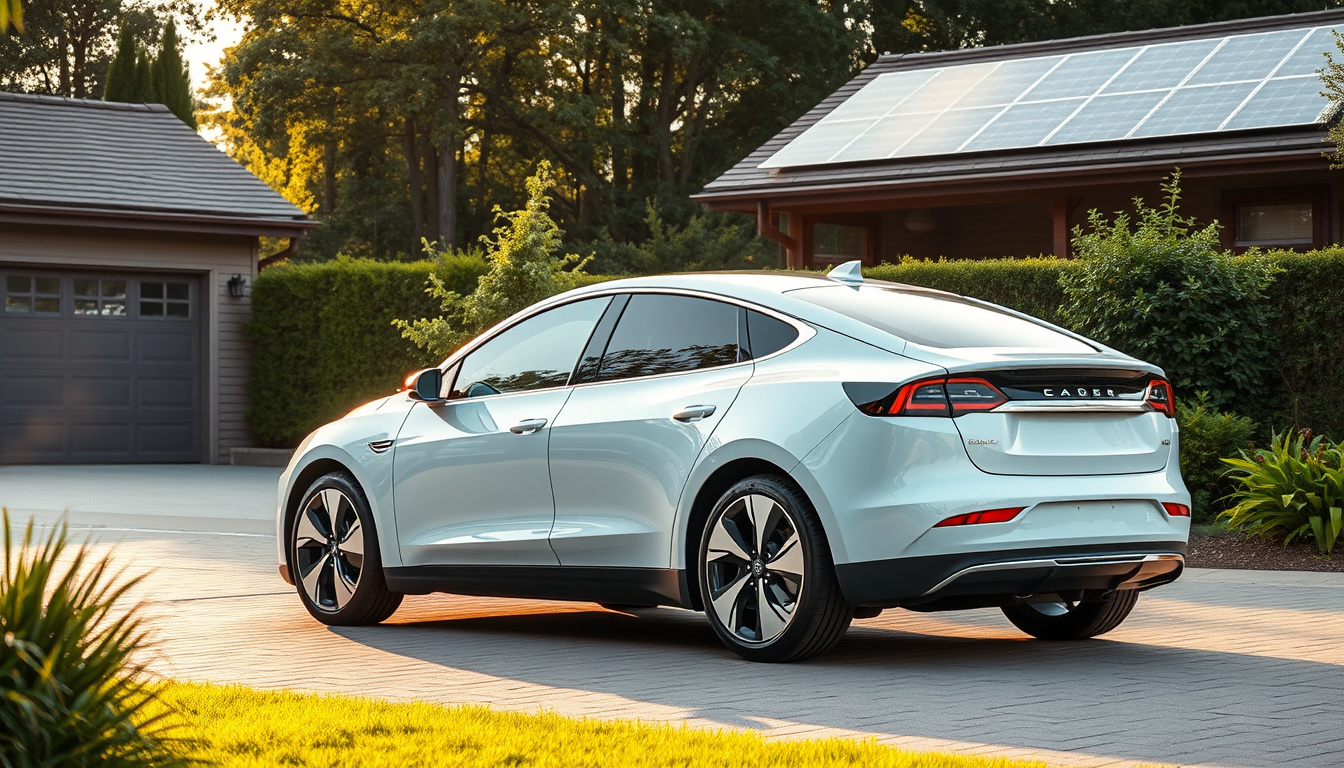
As the conversation around sustainability intensifies, many potential car buyers are considering whether to make the switch to electric vehicles (EVs).
The question arises: is an electric car worth buying?
With technological advancements and growing market options, it’s crucial to understand the multifaceted benefits and costs associated with electric cars.
In this article, we will explore why investing in an electric vehicle may not only be good for the planet but also advantageous for your wallet.
Key Takeaways
- Electric cars often have a higher initial purchase price but can lead to significant long-term savings.
- They contribute positively to the environment by reducing greenhouse gas emissions compared to traditional vehicles.
- Government incentives and tax benefits can offset the cost of purchasing an electric car.
- The reliability of charging infrastructure plays a crucial role in the practicality of owning an electric car.
- Overall, assessing personal driving needs and budget is essential to determine if an electric car is worth buying.
Introduction to Electric Cars
As the world increasingly shifts towards sustainable energy solutions, many potential car buyers are left wondering, ‘Is an electric car worth buying?’ This question is more relevant than ever, considering the benefits that electric vehicles (EVs) offer over traditional gasoline-powered cars.
Not only do electric cars contribute to reducing greenhouse gas emissions, but they can also lead to significant cost savings on fuel and maintenance in the long run.
With advances in technology, the range of EVs has improved dramatically, addressing previous concerns about battery life and charging infrastructure.
Additionally, many governments are providing incentives and tax credits to encourage the adoption of electric vehicles.
In this article, we will explore these factors in detail, helping you determine whether investing in an electric car is the right choice for you.
Understanding the Initial Investment
When considering whether an electric car is worth buying, it’s essential to understand the initial investment involved.
The upfront costs of electric vehicles (EVs) can be higher than traditional gasoline-powered cars due to the advanced technology and materials used in their construction, such as lithium-ion batteries.
However, this initial expenditure can be balanced by the significantly lower operating costs associated with EVs.
Charging an electric car is generally cheaper than fueling a gas vehicle, and many governments also offer incentives, such as tax credits or rebates, which can help offset that initial investment.
Additionally, electric cars often come with reduced maintenance costs since they have fewer moving parts and do not require oil changes.
Evaluating these factors can provide insight into the overall cost-effectiveness of purchasing an electric vehicle, ultimately answering the question: is electric car worth buying?
‘The electric car is a wonderful idea; the only problem is that it doesn’t work yet.’ – Gary Vaynerchuk
Environmental Benefits of Electric Cars
When considering whether an electric car is worth buying, one of the most compelling factors to weigh is the significant environmental benefits these vehicles offer.
Electric cars produce zero tailpipe emissions, contributing to cleaner air and a reduction in greenhouse gases when compared to traditional internal combustion engine vehicles.
By choosing an electric vehicle (EV), individuals can reduce their carbon footprint and play a vital role in combating climate change.
Additionally, many electric cars utilize renewable energy sources for charging, further enhancing their environmental advantages.
For those seeking sustainability, investing in an electric car aligns with a commitment to preserving the planet for future generations, making it not just a practical choice but a responsible one as well.
Long-term Savings and Cost Comparisons
When considering whether an electric car is worth buying, many prospective owners focus on long-term savings and cost comparisons.
Electric vehicles (EVs) typically have lower maintenance costs compared to traditional gasoline-powered cars, given that they have fewer moving parts and do not require oil changes.
Additionally, EVs benefit from significantly lower fueling costs since electricity is generally cheaper than gasoline.
Government incentives, such as tax credits and rebates, can also enhance the overall savings associated with purchasing an electric vehicle.
Further, as more cities implement low-emission zones and gas prices fluctuate, the long-term financial implications of owning an electric car become increasingly favorable.
Ultimately, these factors contribute to a compelling case for many consumers: the question ‘is electric car worth buying‘ is often answered affirmatively when considering the potential for substantial savings over the life of the vehicle.
Government Incentives and Tax Benefits
When considering whether an electric car is worth buying, one must factor in various financial incentives that governments offer to encourage eco-friendly transportation.
Many countries and regions provide substantial rebates, tax credits, and grants to both individuals and businesses that purchase electric vehicles (EVs).
For instance, in the United States, buyers can often take advantage of federal tax credits—up to $7,500—depending on the model and battery capacity.
Additionally, several states have implemented their own incentives, which may include reduced registration fees, tax exemptions, or even cash rebates, making electric car ownership not only environmentally friendly but also financially advantageous.
These government incentives play a crucial role in lowering the upfront costs of electric cars, thus answering the question, ‘is electric car worth buying?’ Beyond initial savings, EV owners can also benefit from lower operational costs, as electricity tends to be cheaper than gasoline, and many maintenance aspects are less demanding.
Therefore, understanding the available incentives is key in deciding if an electric vehicle is a worthy investment.
Charging Infrastructure and Range Considerations
When considering whether an electric car is worth buying, charging infrastructure and range considerations play a crucial role.
The advancement in EV charging stations has made using electric vehicles increasingly practical for daily commuting and long-distance travel.
Many urban areas are expanding their charging networks, which significantly reduces range anxiety—the fear of running out of battery before reaching a charging point.
Home charging options further enhance convenience for electric vehicle owners, allowing them to charge overnight.
However, prospective buyers should evaluate their specific needs: Do they frequently travel long distances, or is most of their driving limited to short trips?
Understanding local charging availability and calculating the average range of the desired electric models can help determine if switching to an electric vehicle not only saves money on fuel and maintenance but also aligns with a sustainable lifestyle.
In this light, for those whose driving habits suit available infrastructure, an electric car often proves to be a wise investment.
Conclusion: Making the Right Decision
In conclusion, determining whether ‘is an electric car worth buying’ ultimately depends on individual preferences, driving habits, and environmental considerations.
As prices for electric vehicles (EVs) continue to decline and charging infrastructure improves, more consumers are finding that the benefits of reduced fuel costs, lower maintenance needs, and potential tax incentives make electric cars an appealing choice.
Moreover, as governments worldwide push toward more sustainable energy solutions, investing in an electric car aligns with a growing commitment to a greener future.
Each potential buyer should weigh their typical driving patterns, the availability of charging options, and their personal values when making this important decision.
With advancements in technology and increased model availability, there’s never been a better time to consider if an electric vehicle is the right fit for you.
Is an Electric Car Worth Buying in 2026? The Honest Truth
Let’s cut through the hype: Yes, for most drivers, an electric car is absolutely worth buying in 2026—but not for the reasons you might think. It’s not just about saving the planet (though that’s a bonus). It’s about lower monthly costs, a smoother driving experience, fewer repair bills, and tech that actually makes life easier.
Unlike just a few years ago, you no longer need to compromise on range, charging speed, or features to go electric. Models like the Hyundai Ioniq 5, Kia EV6, or even the MG ZS EV offer 250–310 miles of real-world range, ultra-fast charging, and premium interiors—all while costing less to “fuel” and maintain than gas rivals.
But is it right for you? If you have off-street parking, drive more than 5,000 miles a year, or care about long-term savings, the answer is almost certainly yes. And if you’re still on the fence, our full breakdown of the pros and cons of electric cars gives you the unfiltered truth.
The Real Savings: Beyond the Sticker Price
Sure, some EVs cost more upfront. But the total cost of ownership tells a different story.
- “Fuel” costs: Electricity is ⅓ the price per mile of gasoline. Drive 12,000 miles/year? That’s $500–$600 saved annually—more if you charge at home during off-peak hours or have solar panels.
- Maintenance: No oil changes, no exhaust repairs, no transmission issues. Over 5 years, that’s $1,300+ saved vs. a gas SUV.
- Incentives: The federal EV tax credit ($7,500) still applies to many models (like the Chevrolet Blazer EV), and states like California or Colorado offer extra rebates.
- Resale value: Top EVs now depreciate slower than gas cars—especially those with strong battery warranties.
Add it up, and many EVs pay for their premium within 3–5 years—then keep saving you money.
⚡ Curious how much you’d save? Explore our guide on electric vehicle charging at home vs public.
The Driving Experience: Quiet, Instant, and Effortless
Forget “compromise”—driving an EV is simply more enjoyable for daily use.
- Instant torque: Zero lag off the line. Merging onto highways? Effortless.
- Whisper-quiet cabin: No engine roar—just smooth, serene travel.
- One-pedal driving: Lift off the accelerator, and the car slows itself (thanks to regenerative braking). In stop-and-go traffic, you barely touch the brake pedal.
- Lower center of gravity: Batteries sit flat under the floor, giving EVs car-like handling even in SUVs like the Volvo XC40 Recharge.
Plus, features like preconditioning (warming the cabin while plugged in) mean your car is cozy in winter—without burning battery range.
🌍 And yes—it’s better for the planet. See how electric vehicles save the environment, even when powered by today’s grid.
Final Thoughts
So, is an electric car worth it?
✅ If you want lower running costs
✅ If you value a smoother, quieter drive
✅ If you’re tired of oil changes and engine repairs
✅ If you can charge at home (even with a basic Level 1 outlet)
Then yes—2026 is the best year yet to make the switch. The tech is mature, the infrastructure is growing, and the savings are real. You’re not just buying a car. You’re upgrading your daily life.
Frequently Asked Questions
What are the main benefits of owning an electric car?
Owning an electric car offers several benefits, including reduced carbon emissions, lower fuel and maintenance costs, and the potential for government incentives.
Plus, many electric cars come with advanced technology features that enhance the driving experience.
How does the initial investment compare to long-term savings?
While electric cars typically have a higher upfront cost compared to traditional vehicles, they often lead to significant long-term savings in fuel and maintenance.
The overall cost of ownership usually becomes more favorable over time.
Are there government incentives for buying electric cars?
Yes, many governments offer incentives such as tax credits, rebates, and grants to encourage the purchase of electric vehicles.
These incentives can help offset the initial purchase price and enhance overall savings.
How do I find charging stations for electric cars?
Charging stations can be found using various apps and websites that map out charging infrastructure.
Additionally, many electric cars come with built-in navigation systems that help locate nearby charging stations.
Is the driving range of electric cars sufficient for daily use?
Most modern electric cars offer a driving range that meets or exceeds the daily commuting needs of average drivers.
However, it’s essential to consider your driving habits and charging options to ensure a suitable fit for your lifestyle.