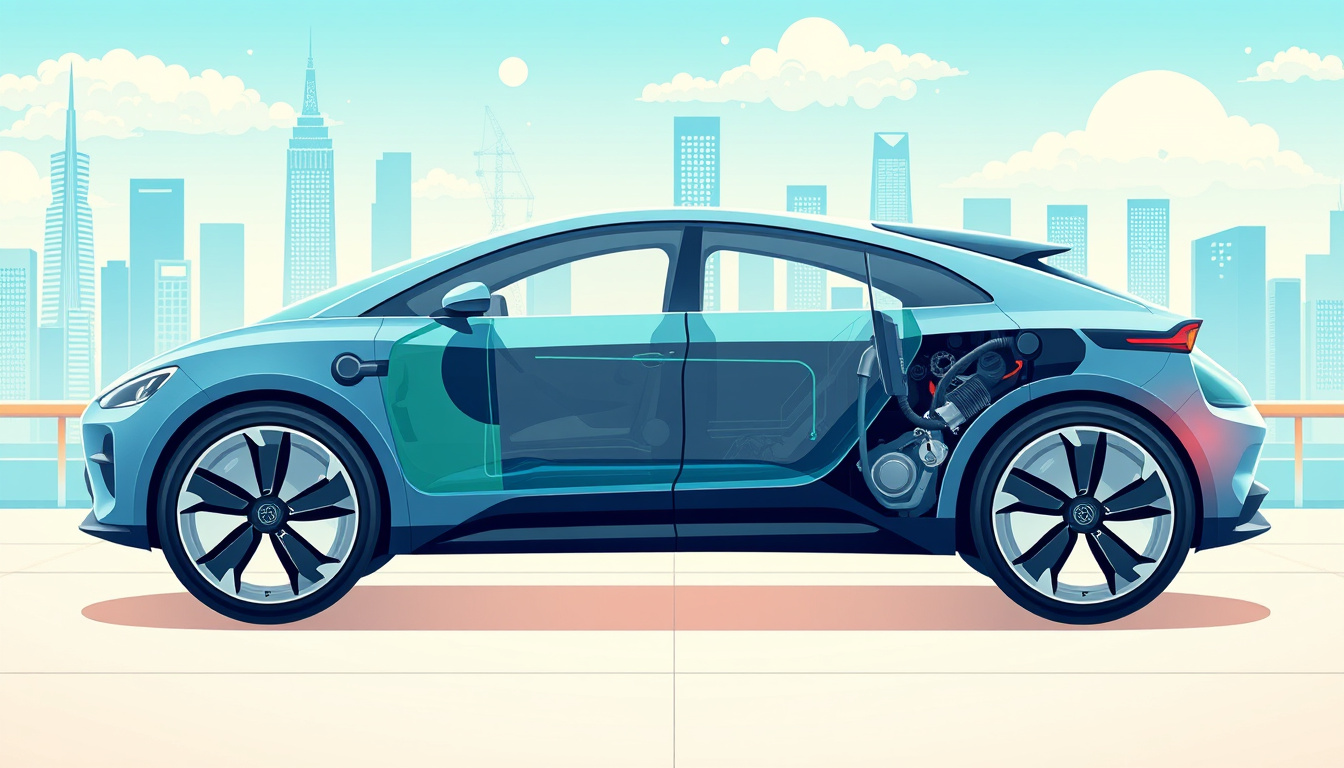
As electric vehicles (EVs) continue to gain popularity across the globe, understanding the components that make up these innovative machines has never been more essential.
Whether you’re a new EV owner or simply curious about the technology, having a grasp of electric car parts can enhance your ownership experience and keep your vehicle running smoothly.
In this comprehensive guide, we will take a deep dive into the key components of electric vehicles, explore how the electric powertrain operates, examine battery technology and storage systems, and provide valuable maintenance tips to ensure your electric car remains in optimal condition.
Join us as we unravel the intricacies of electric car components and empower you with knowledge about your eco-friendly ride.
 Electric Car Parts: A Comprehensive Guide to Understanding Your EV’s Components’ style=’display: block; margin: auto; max-width: 100%; height: auto;’>
Key Takeaways
- Electric car parts are essential for the efficient operation of electric vehicles.
- Key components include the electric motor, battery pack, and regenerative braking systems.
- Understanding the electric powertrain is crucial for optimal performance and efficiency.
- Advancements in battery technology significantly impact the range and storage capabilities of EVs.
- Regular maintenance of electric car components can enhance vehicle longevity and performance.
Introduction to Electric Car Parts
Electric vehicles (EVs) are revolutionizing the way we think about transportation, and understanding their components is key to appreciating how they function.
Electric car parts differ significantly from those in conventional internal combustion engine vehicles.
At the heart of electric cars is the battery system, which stores energy and powers the entire vehicle.
This system is complemented by an array of electric motors that convert electrical energy into mechanical energy, providing propulsion.
Other essential electric car parts include the regenerative braking system, which captures energy typically lost during braking, and the power electronics that manage the flow of electricity between the battery and the motor.
Understanding these components not only helps potential buyers make informed decisions but also reveals the intricacies of electric vehicle technology.
Key Components of Electric Vehicles
Electric vehicles (EVs) have become increasingly popular as the world shifts towards sustainable transportation solutions.
Understanding the key components of electric car parts is essential for anyone interested in this innovative technology.
At the heart of an electric vehicle is the battery, typically lithium-ion, which stores and supplies energy to power the car’s electric motor.
Unlike traditional vehicles, EVs are equipped with an electric motor rather than a gasoline engine, providing instant torque and a quieter ride.
Other critical electric car parts include the inverter, which converts direct current (DC) from the battery into alternating current (AC) to drive the motor, and the regenerative braking system, which recovers energy during braking and feeds it back to the battery.
Additionally, electric vehicles often feature advanced management systems that optimize performance and monitor battery health.
Understanding these electric car parts not only demystifies how EVs work but also highlights their environmental benefits.
‘The future is already here — it’s just not very evenly distributed.’ – William Gibson

Understanding the Electric Powertrain
In the realm of electric vehicles (EVs), understanding the electric powertrain is crucial for grasping how electric car parts function together to provide a seamless driving experience.
At its core, the electric powertrain comprises several key components, including the electric motor, the battery pack, the inverter, and the transmission system.
The electric motor converts electrical energy from the battery into mechanical power, enabling the vehicle to move.
The battery pack stores this energy, often integrating advanced lithium-ion technology for improved efficiency and lifespan.
The inverter plays a pivotal role by converting direct current (DC) from the battery to alternating current (AC), which powers the electric motor.
Lastly, the transmission system in an electric car is simpler than in traditional vehicles, as it typically doesn’t require multiple gears; instead, it efficiently transmits the torque directly from the motor to the wheels.
Together, these electric car parts create a cohesive system that not only enhances performance but also contributes to the overall sustainability of transporting goods and people.
Battery Technology and Storage
In recent years, battery technology has seen remarkable advancements, fundamentally transforming the landscape of electric vehicles (EVs) and the electric car parts that comprise them.
At the heart of this evolution are lithium-ion batteries, which offer a high energy density, allowing electric cars to travel longer distances on a single charge.
These batteries not only power the vehicle’s electric motor but also integrate into various electric car parts, such as regenerative braking systems and ancillary power management systems, which enhance overall efficiency.
Furthermore, innovations like solid-state batteries promise to elevate the performance and safety of these energy storage solutions, potentially leading to reduced charging times and improved range.
As the demand for sustainable transportation continues to grow, keeping an eye on developments in battery technology will be essential for anyone keen on understanding the future of electric car parts and the impact they will have on the auto industry.

Maintenance Tips for Electric Car Components
Maintaining your electric car parts is essential for ensuring optimal performance and extending the lifespan of your vehicle.
Regular checks and maintenance can prevent minor issues from escalating into costly repairs.
Start by monitoring the battery system, as the battery is one of the most critical electric car parts.
Ensure it is kept charged appropriately and inspected for any signs of wear or damage.
Additionally, examine the electric motor and its components; keep these parts clean to enhance efficiency.
The regenerative braking system is another crucial element; checking brake pads for wear and ensuring that the system functions effectively can improve energy recovery.
Finally, don’t neglect the cooling system, which regulates battery and motor temperatures—ensure coolant levels are sufficient and that there are no leaks.
By following these maintenance tips, you can enjoy a reliable and efficient driving experience with your electric vehicle.
Frequently Asked Questions
What are the key components of an electric car?
The key components of an electric car include the electric motor, battery pack, power inverter, charging port, and regenerative braking system.
How does the electric powertrain work in an EV?
The electric powertrain consists of the electric motor, transmission, and battery system that work together to provide power to the wheels.
The electric motor converts electrical energy from the battery into mechanical energy, enabling the vehicle to move.
What types of battery technology are used in electric vehicles?
Common battery technologies used in electric vehicles include lithium-ion, nickel-metal hydride (NiMH), and solid-state batteries, with lithium-ion being the most prevalent due to its high energy density and efficiency.
What maintenance do electric car components require?
Electric cars generally require less maintenance than traditional vehicles, but it’s important to regularly check the battery health, coolant levels, and tire pressure, as well as to follow the manufacturer’s maintenance schedule.
How can I ensure the longevity of my electric car’s battery?
To maximize battery longevity, avoid frequent rapid charging, keep the battery charge between 20% and 80%, and store the vehicle in moderate temperatures when possible.