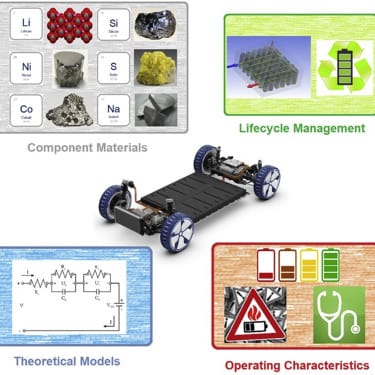
Understanding usable battery capacity in electric cars refers to the amount of energy available for driving. It impacts range and performance.
Understanding usable battery capacity is crucial for electric car owners. This metric determines how far the vehicle can travel on a single charge. Unlike total battery capacity, usable capacity excludes the energy reserved to protect battery health. Manufacturers often highlight this figure to provide a realistic range estimate.
Knowing your car’s usable battery capacity helps in planning trips and charging stops. It also influences decisions about which electric car model to buy. By understanding this concept, you can make more informed choices and optimize your driving experience. This guide will help you grasp the essentials of usable battery capacity in electric vehicles.
Introduction To Usable Battery Capacity
The usable battery capacity in electric cars is crucial. It determines how far your car can travel on a charge. Understanding this concept is key for every EV owner.
Definition And Importance
Usable battery capacity is the portion of the battery that actually powers the car. It excludes the reserve capacity. Reserve capacity is kept to protect the battery’s health. This helps in avoiding deep discharges.
Usable battery capacity is significant for several reasons:
- Range: It directly affects how far you can drive on a single charge.
- Efficiency: Better capacity leads to more efficient energy use.
- Longevity: Proper usage extends the battery’s life span.
Impact On Electric Vehicle Performance
The usable battery capacity greatly impacts your car’s performance. Here are some key points:
- Acceleration: Higher capacity often means better acceleration.
- Speed: It can influence the top speed of your EV.
- Battery Degradation: Efficient use slows down battery wear and tear.
Here is a simple table to illustrate the relationship between usable battery capacity and range:
| Usable Battery Capacity (kWh) | Estimated Range (miles) |
|---|---|
| 20 kWh | 70 miles |
| 40 kWh | 140 miles |
| 60 kWh | 210 miles |
For better performance, always know your car’s usable battery capacity. This helps in planning trips and managing energy use wisely.
Factors Affecting Battery Capacity
Understanding the factors that affect the usable battery capacity in electric cars is crucial. Battery capacity can change due to many reasons. Knowing these factors can help you manage your electric car better.
Battery Chemistry
The type of battery chemistry used plays a big role. Different batteries have different strengths and weaknesses.
| Battery Type | Pros | Cons |
|---|---|---|
| Lithium-Ion | High energy density | Expensive |
| Nickel-Metal Hydride | Long life | Low energy density |
| Lead-Acid | Cheap | Heavy and bulky |
Most electric cars use lithium-ion batteries. They offer high energy density and long life. But they are costly.
Temperature Effects
Temperature has a significant impact on battery performance. High and low temperatures can affect battery life.
- High temperatures can cause the battery to degrade faster.
- Low temperatures can reduce the battery’s ability to store energy.
Keeping the battery within an optimal temperature range is essential. Most electric cars have temperature management systems. These systems help maintain the battery at the right temperature.
In summary, understanding these factors can help you get the most out of your electric car’s battery. Proper management can lead to longer battery life and better performance.
Measurement Of Usable Capacity
Understanding the usable battery capacity in electric cars is crucial. This capacity determines how far your car can travel on a single charge. It’s essential for efficient energy management and battery health. Let’s dive into the key factors that influence this measurement.
State Of Charge (soc)
The State of Charge (SoC) indicates how much charge is left in the battery. It is usually expressed as a percentage. For example, 100% means the battery is fully charged, while 0% means it is empty.
SoC helps drivers understand their remaining driving range. It also aids in planning when to recharge. Accurate SoC readings ensure you don’t get stranded with a dead battery.
Here’s a simple table to illustrate SoC levels:
| SoC Level | Battery Status |
|---|---|
| 100% | Fully Charged |
| 75% | Three-Quarters Charged |
| 50% | Half Charged |
| 25% | Quarter Charged |
| 0% | Empty |
State Of Health (soh)
The State of Health (SoH) measures the battery’s overall condition. It indicates how well the battery can hold and deliver charge compared to a new battery. SoH is also expressed as a percentage.
For example, an SoH of 100% means the battery is in perfect health. An SoH of 80% means the battery has degraded and can hold less charge.
Maintaining good SoH is vital for long-term battery performance. Here are some tips to preserve SoH:
- Avoid deep discharges.
- Keep the battery cool.
- Charge regularly but avoid overcharging.
By understanding SoC and SoH, you can maximize your electric car’s usable battery capacity.
Battery Management Systems
Battery Management Systems (BMS) are crucial for electric cars. They ensure the battery operates efficiently and safely. BMS monitors the battery’s health and performance. It prevents overheating and overcharging. This extends the battery life and ensures safety.
Role In Monitoring
The BMS constantly checks the battery’s status. It monitors the voltage, temperature, and current. This helps in detecting any issues early. The BMS keeps track of the battery’s charge level. It ensures that the battery is neither overcharged nor drained completely.
Here is a table showing the key parameters monitored by BMS:
| Parameter | Description |
|---|---|
| Voltage | Measures the electric potential difference. |
| Temperature | Keeps track of the battery’s heat levels. |
| Current | Monitors the flow of electric charge. |
| State of Charge (SoC) | Indicates the remaining battery capacity. |
Optimization Techniques
The BMS uses various techniques to optimize battery performance. It balances the charge across all cells. This prevents any single cell from being overworked. BMS uses algorithms to predict battery life. These predictions help in planning maintenance and replacements.
Here are some optimization techniques used by BMS:
- Cell Balancing: Ensures equal charge in all cells.
- Thermal Management: Keeps the battery within safe temperature limits.
- Charge Control: Prevents overcharging and deep discharging.
- Fault Detection: Identifies potential issues early.
The BMS also communicates with the car’s central system. This helps in real-time performance adjustments. It ensures that the battery operates at its best. The BMS is a vital component for electric cars. It ensures safety, efficiency, and longevity of the battery.
Real-world Usage Scenarios
Understanding the usable battery capacity in electric cars involves real-world scenarios. This includes how driving conditions and habits affect battery performance. Here, we explore two key factors: urban vs. highway driving and impact of driving habits.
Urban Vs. Highway Driving
Urban driving and highway driving affect electric car batteries differently. In cities, frequent stops and starts are common. This can lead to inefficient energy use. On the highway, cars run at a consistent speed. This can be more efficient for battery use.
Consider the following table that highlights the differences:
| Scenario | Characteristics | Battery Impact |
|---|---|---|
| Urban Driving | Frequent stops, lower speeds | Higher energy consumption |
| Highway Driving | Constant speed, fewer stops | Better energy efficiency |
In urban settings, energy consumption is higher. This happens due to braking and accelerating. On highways, steady speed helps in saving battery.
Impact Of Driving Habits
Driving habits play a significant role in battery life. Aggressive driving, like rapid acceleration, uses more energy. Smooth and steady driving can conserve battery power.
Here are some driving habits that impact battery life:
- Rapid Acceleration: Uses more energy quickly.
- Heavy Braking: Wastes energy that could be regenerated.
- Constant Speed: Helps in maintaining battery efficiency.
- Use of Air Conditioning: High power consumption.
Maintaining a constant speed and gentle braking helps preserve battery life. Using air conditioning sparingly can also extend battery usage.
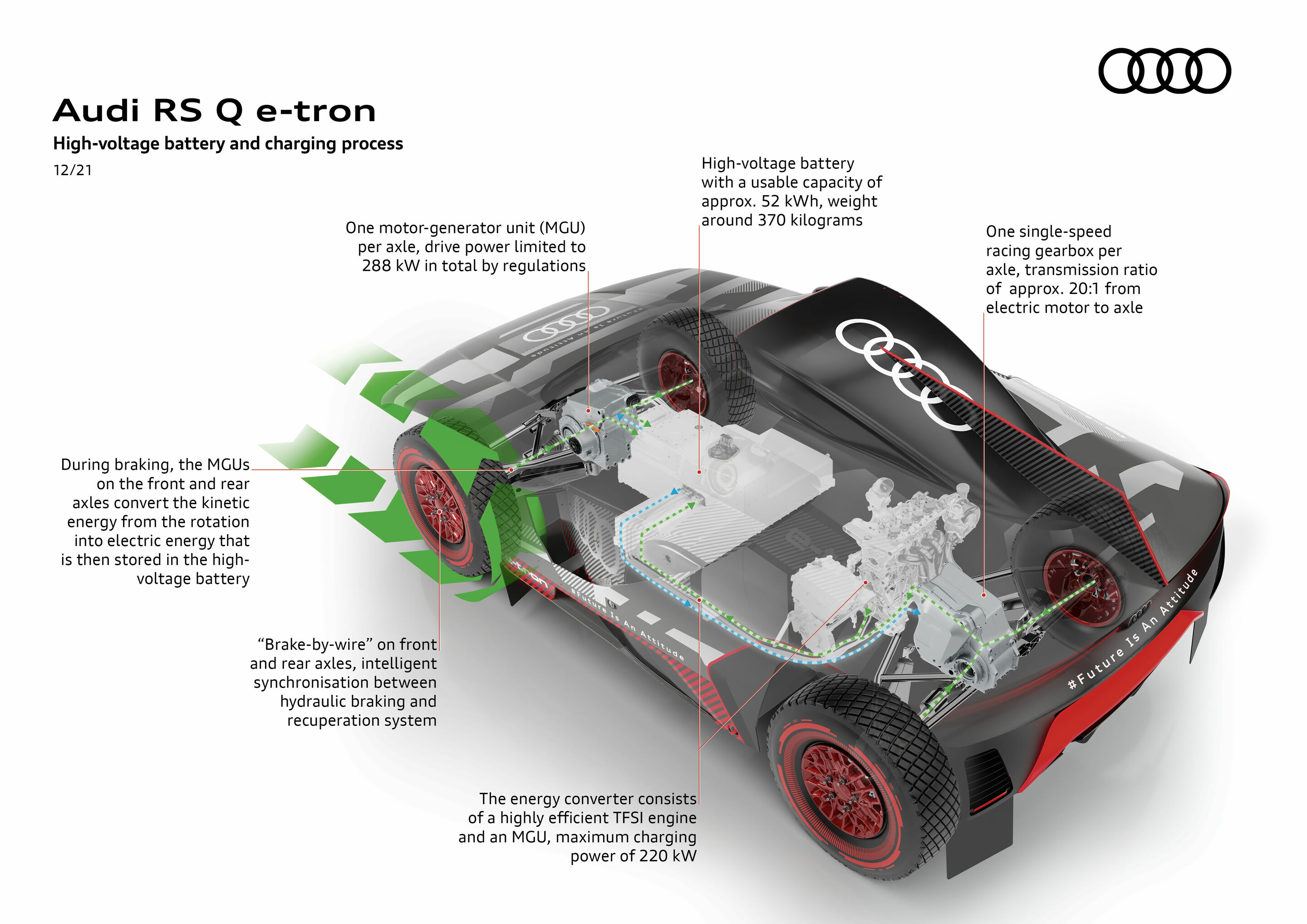
Credit: www.audi-mediacenter.com
Maximizing Battery Life
Electric cars are great for the environment. But they need care to last long. Maximizing battery life is important for better performance and savings. Let’s explore how you can keep your car’s battery in top shape.
Charging Practices
Charging the battery the right way helps it last longer. Follow these tips:
- Avoid overcharging your car. Stop charging at 80% for daily use.
- Use fast chargers sparingly. They generate more heat and can wear out the battery.
- Charge at cooler times. Charging in hot weather can harm the battery.
- Keep the battery level between 20% and 80%. This range is best for battery health.
Regular Maintenance
Regular checks and care can extend your battery’s life. Follow these steps:
- Inspect the battery every few months for any signs of wear or damage.
- Clean the battery terminals to prevent corrosion. Corrosion can affect performance.
- Update the car’s software. Manufacturers often release updates to improve battery efficiency.
- Drive smoothly. Hard acceleration and braking can drain the battery faster.
Here is a quick comparison of good and bad charging habits:
| Good Practices | Bad Practices |
|---|---|
| Charge up to 80% | Charge to 100% frequently |
| Use slow charging | Use fast charging often |
| Charge at cool times | Charge in hot weather |
Technological Advances
Electric cars have come a long way in recent years. Technological advances are driving their performance and efficiency. These innovations focus on next-generation batteries and smart charging solutions. Let’s delve deeper into these fascinating developments.
Next-generation Batteries
Next-generation batteries are revolutionizing electric cars. They offer higher energy density and longer life. These batteries charge faster and last longer. Let’s look at some key features:
| Feature | Description |
|---|---|
| Energy Density | Higher energy density means more power in less space. |
| Charge Time | Fast charging reduces waiting time. |
| Battery Life | Longer battery life means fewer replacements. |
These batteries use lithium-ion and solid-state technologies. They are safer and more efficient. Solid-state batteries are the future of electric vehicles. They offer even higher energy density and faster charging.
Smart Charging Solutions
Smart charging solutions are another key development. They make charging electric cars easier and more efficient. Here are some of the benefits:
- Optimized charging times
- Reduced electricity costs
- Enhanced battery life
Smart charging stations communicate with the electric grid. They choose the best times to charge based on energy demand. This helps in balancing the grid and lowering costs. Some smart chargers even use renewable energy sources, making electric cars even greener.
Many smart chargers come with mobile apps. These apps allow users to monitor and control the charging process remotely. They can set schedules and receive notifications. This makes the entire experience more convenient and user-friendly.

Credit: www.mazdausa.com
Future Trends
The future of electric cars is bright. Innovations improve usable battery capacity. Exciting trends are shaping this landscape. Let’s explore these future trends in detail.
Increased Range Capabilities
Electric cars will soon travel longer distances. Improved batteries make this possible. New materials and designs enhance battery efficiency. This means fewer stops for charging. Traveling long distances becomes easier.
Manufacturers are investing in research. They aim to increase battery life. Solid-state batteries are a new development. These batteries store more energy. They also charge faster. Electric cars will travel further on a single charge.
Sustainability Initiatives
Electric cars are part of a green future. Companies focus on sustainable practices. They use eco-friendly materials for batteries. Recycled materials are becoming popular. This helps reduce waste and pollution.
Renewable energy sources power many electric cars. Solar and wind energy are common. Charging stations use these clean energy sources. This supports a sustainable environment. Electric cars are becoming greener every day.
| Trend | Impact |
|---|---|
| Increased Range | Longer trips without charging |
| Sustainable Materials | Reduced environmental impact |
| Renewable Energy | Cleaner charging solutions |
Electric cars will continue to evolve. They will become more efficient and eco-friendly. The future is promising for electric vehicles and the planet.
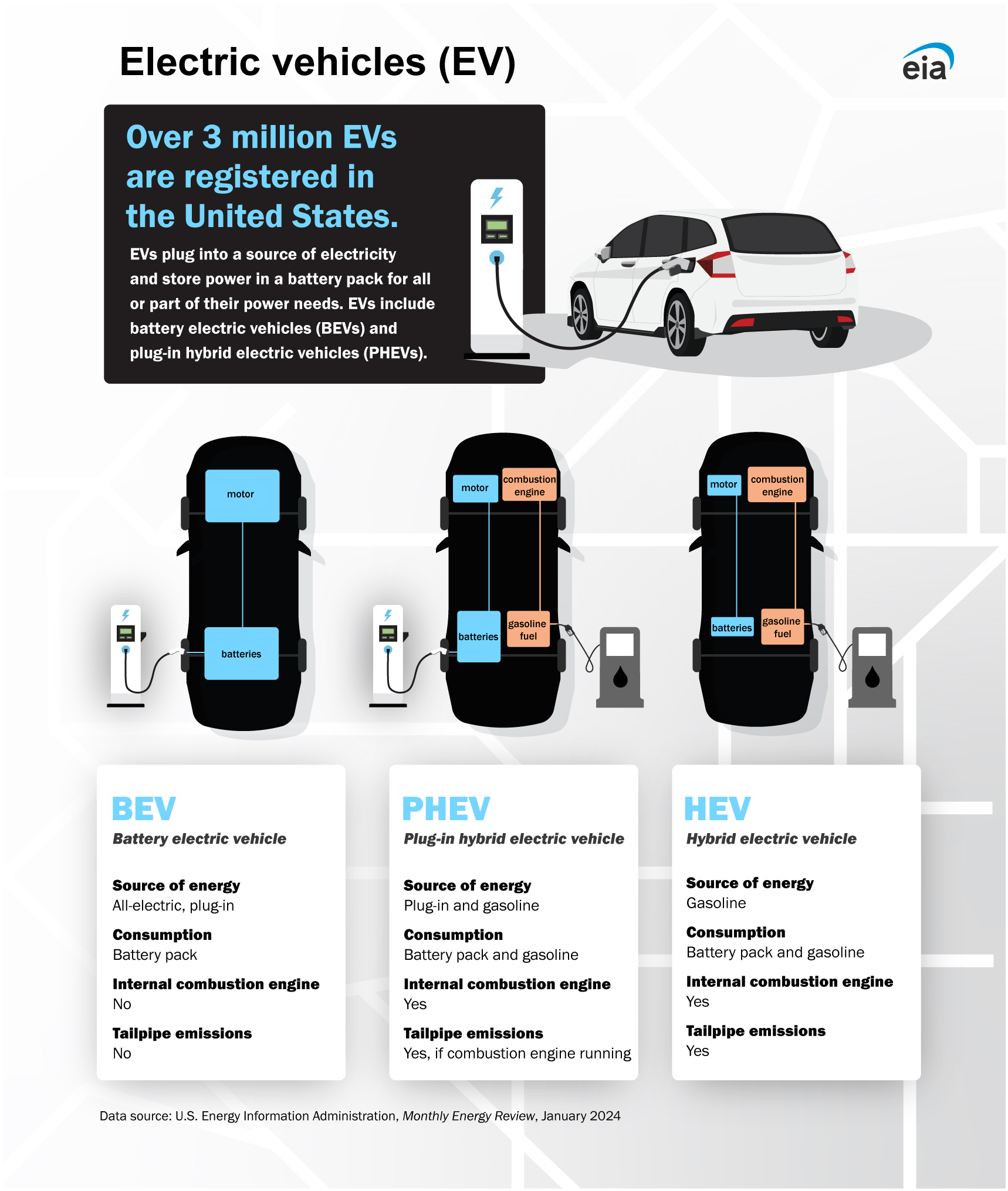
Credit: www.eia.gov
Frequently Asked Questions
What Is Usable Battery Capacity In Electric Cars?
Usable battery capacity refers to the portion of the total battery capacity that is available for driving. This excludes the reserve capacity that protects battery longevity.
How Is Usable Battery Capacity Measured?
Usable battery capacity is measured in kilowatt-hours (kWh). It indicates the energy available for driving. Manufacturers often provide this specification in vehicle manuals.
Why Does Usable Battery Capacity Matter?
Usable battery capacity affects the driving range of an electric car. Higher usable capacity means longer driving distances on a single charge.
Can Usable Battery Capacity Decrease Over Time?
Yes, usable battery capacity can decrease due to battery degradation. This is caused by factors like charging habits and environmental conditions.
Conclusion
Understanding usable battery capacity in electric cars is crucial for making informed decisions. It impacts range, performance, and overall satisfaction. By knowing these details, you can choose the best electric vehicle. Stay informed and enjoy the benefits of electric mobility.
Keep this knowledge in mind to maximize your driving experience.