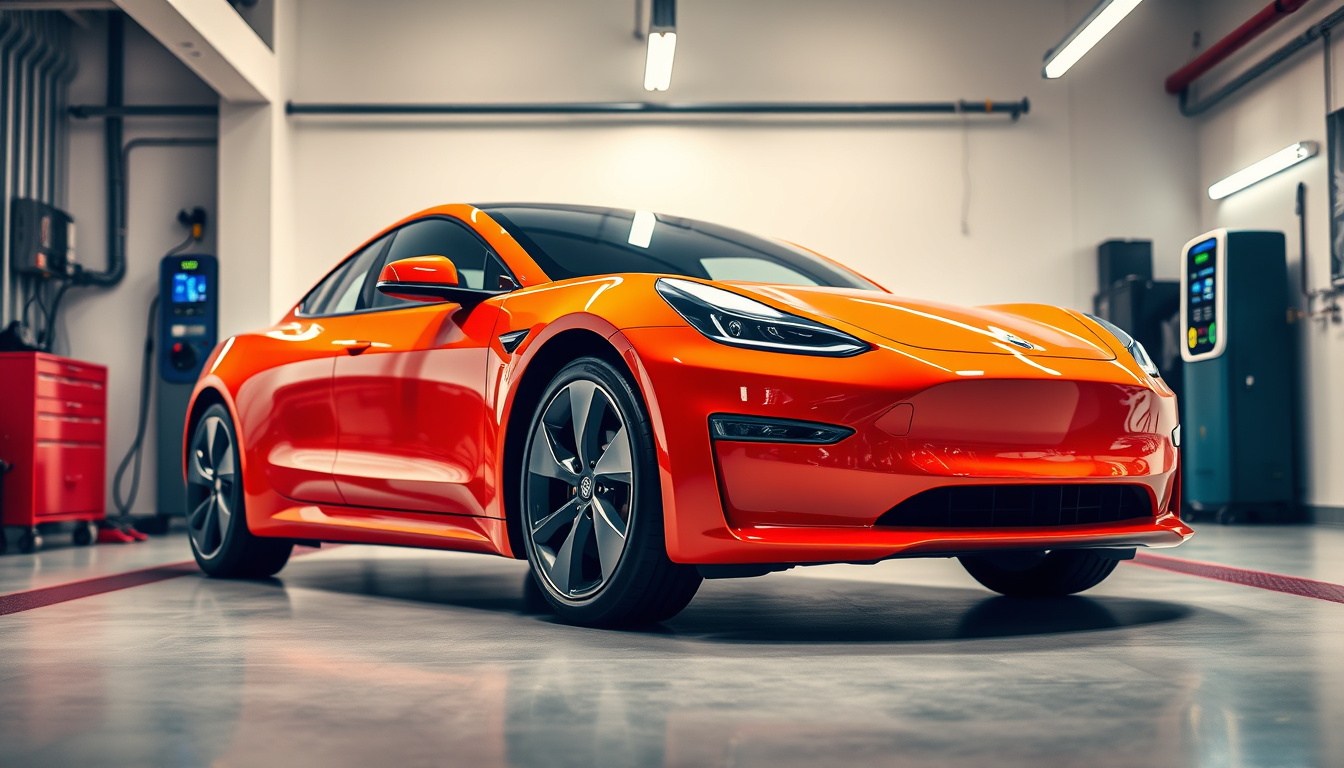
In recent years, electric vehicles (EVs) have surged in popularity, offering an eco-friendly alternative to traditional gasoline-powered cars.
However, many prospective owners often wonder about the electric vehicle maintenance cost and how it compares to conventional vehicles.
Understanding these costs is crucial for any current or potential EV owner.
This article delves into the intricacies of electric car maintenance, providing a clear comparison with gas vehicles, essential services needed, factors that influence maintenance expenses, and tips for maximizing your savings.
Key Takeaways
- Electric cars generally have lower maintenance costs compared to gas vehicles due to fewer moving parts.
- Routine services like tire rotations and brake maintenance are still essential for electric vehicles.
- Factors such as battery care and software updates significantly impact electric car maintenance expenses.
- Many misconceptions exist around electric car maintenance, including unnecessary fears about complexity and repair costs.
- Implementing best practices can help electric car owners reduce their long-term maintenance costs.
1. Introduction to Electric Car Maintenance
Electric car maintenance has become a significant topic of discussion among both current and prospective electric vehicle (EV) owners.
As electric cars gain popularity for their eco-friendly benefits and cost savings on fuel, understanding the electric vehicle maintenance cost is essential for budgeting and ownership considerations.
Unlike traditional gas vehicles, electric cars generally have fewer moving parts, which often leads to lower maintenance costs.
However, this doesn’t mean they are maintenance-free.
Factors such as battery care, tire maintenance, and software updates still play a pivotal role in overall upkeep.
In this article, we will dive into what constitutes electric car maintenance, average costs to expect, and tips to keep your EV running smoothly.
2. Comparison of Electric vs. Gas Vehicle Maintenance Costs
When considering the purchase of a new vehicle, understanding the electric car maintenance cost compared to that of gas-powered vehicles is crucial for making a financial decision.
Electric cars generally have lower maintenance costs due to fewer moving parts, which translates to less wear and tear.
They don’t require oil changes, fuel filter replacements, or exhaust system repairs that are typical for gas engines.
Conversely, traditional gas vehicles can incur higher maintenance costs over time, given that they involve more extensive engine components and regular maintenance tasks.
Although the initial purchase price of electric vehicles might be higher, the long-term savings on maintenance, combined with potential tax incentives, make electric cars appealing both environmentally and economically.
In this evolving landscape, potential buyers should weigh these factors critically to find the best fit for their needs.
‘The future is electric; it’s time to embrace the change and take charge of our transportation impacts.’ – Unknown
3. Essential Maintenance Services for Electric Cars
Electric cars are becoming increasingly popular due to their eco-friendliness and cost savings on fuel.
However, like any vehicle, they require regular maintenance to ensure optimal performance and longevity.
Understanding the electric vehicle maintenance cost can help you budget effectively.
Among the essential maintenance services for electric cars, battery health checks stand out; the battery is the heart of any electric vehicle, and its maintenance can largely influence long-term expenses.
Additionally, tire rotation and alignment are crucial to maintaining efficiency and safety, as they help maximize the vehicle’s range and promote even tire wear.
Lastly, periodic software updates are vital to enhance your electric car’s performance and access new features, which may also play a role in adjusting long-term maintenance costs.
By staying proactive with these services, you’ll not only keep your electric vehicle in top shape but also manage your electric vehicle maintenance cost effectively.
4. Factors Influencing Electric Car Maintenance Costs
When considering the electric vehicle maintenance cost, several factors come into play that can significantly influence the overall expense of keeping your electric vehicle (EV) in optimal condition.
First, the type of electric vehicle you own plays a crucial role; for instance, larger models or those equipped with advanced technology may incur higher maintenance costs due to the complexity of systems involved.
Secondly, the warranty coverage can impact costs significantly; many EV manufacturers offer extensive warranties that cover key components, potentially reducing out-of-pocket expenses for repairs.
Additionally, the habits of the driver, such as how often maintenance is performed and whether they use certified service providers, can also affect the overall maintenance budget.
Lastly, the availability of parts and local regulations can contribute to varying service costs between different regions.
Understanding these factors can help potential and current EV owners budget effectively for their electric vehicle maintenance costs.
5. Common Misconceptions About Electric Car Maintenance
When considering electric vehicle maintenance cost, it’s essential to dispel some common misconceptions that may cause potential buyers to hesitate.
One prevalent myth is that electric vehicles (EVs) require more frequent and costly maintenance compared to traditional gasoline cars.
In reality, electric vehicles tend to have lower maintenance costs because they have fewer moving parts, eliminating many components that commonly fail in internal combustion engines, such as oil changes and exhaust systems.
Additionally, because EVs use regenerative braking, the brake systems tend to last longer, further reducing maintenance expenses.
Another misconception is that all electric car components are expensive to repair or replace, but many manufacturers offer warranties that cover key parts for several years, alleviating long-term concerns.
By understanding these aspects of electric vehicle maintenance costs, consumers can make better-informed decisions and potentially save money in the long run.
6. Long-Term Financial Benefits of Electric Cars
When considering the long-term financial benefits, the electric vehicle maintenance cost emerges as a significant advantage over traditional vehicles.
Electric cars generally have fewer moving parts compared to their gas-powered counterparts, which leads to lower maintenance expenses.
For instance, electric vehicles (EVs) do not require oil changes, which can save several hundred dollars each year.
Additionally, the brake systems in electric cars often last longer due to regenerative braking, resulting in fewer replacements over time.
Tire wear is also reduced in EVs thanks to the predictable torque provided by electric motors.
Furthermore, as more automakers shift toward producing electric vehicles, the costs associated with parts and servicing are expected to decrease.
Altogether, the reduced maintenance needs translate into substantial savings, making electric cars an attractive long-term investment for budget-conscious consumers.
7. Tips for Reducing Maintenance Costs on Electric Vehicles
When it comes to managing the electric car maintenance cost, it’s essential to adopt proactive strategies to keep expenses in check while ensuring high vehicle performance.
One effective approach is to follow the manufacturer’s recommended maintenance schedule, as this can help prevent costly repairs down the line.
Additionally, consider investing in a home charging station; this not only offers the convenience of charging at home but can also reduce electricity costs compared to public charging stations.
Regularly monitoring tire pressure and alignment can enhance efficiency, leading to lower wear and tear—ultimately reducing maintenance costs.
Keeping your EV clean and protected from the elements will help maintain its condition.
For those looking to save further, exploring warranty and service plans tailored for electric vehicles can provide peace of mind and promote cost-saving benefits in the long run.
By implementing these tips, not only can you effectively manage the electric car maintenance cost, but you can also enjoy the full benefits of owning an electric vehicle.
Electric Vehicle Maintenance Cost: How Much You’ll Really Save in 2026
Let’s be honest—when you hear “electric car,” you probably think of quiet acceleration, zero tailpipe emissions, and charging at home. But there’s another huge perk most people overlook: you’ll spend far less on maintenance.
Unlike gas cars with hundreds of moving parts—oil pumps, timing belts, exhaust manifolds, fuel injectors—EVs have 60–70% fewer mechanical components. That means no oil changes, no transmission fluid flushes, and no catalytic converter replacements. According to Consumer Reports, EV owners save ~50% on maintenance and repair costs over the first 5 years compared to gas-powered counterparts.
If you’re driving a Hyundai Kona Electric or a Kia EV6, those savings add up fast—especially when paired with lower “fuel” costs. And when you factor this into the bigger picture, it’s a key reason why the total cost of ownership for electric cars often beats gas vehicles long-term.
What Maintenance Do EVs Actually Need?
Don’t worry—EVs aren’t “maintenance-free.” But what they do need is simpler, less frequent, and cheaper:
- Tire rotation & replacement: Same as gas cars (though EVs are heavier, so tires may wear slightly faster)
- Brake service: Thanks to regenerative braking, brake pads and rotors last 2–3x longer—many EVs go 100,000+ miles before needing brake work
- Cabin air filter: Replaced every 20,000–30,000 miles (some models have dual filters for ultra-clean air—great for allergy sufferers)
- Battery coolant: Most modern EVs use sealed systems, but some (like older Teslas) require coolant flushes every 5 years
- Software updates: Done over-the-air—no shop visit needed
There’s no engine oil, no spark plugs, no exhaust system, no fuel system, and no complex transmission. That eliminates dozens of routine services—and the surprise repair bills that come with them.
🔋 Worried about battery health? Learn how EV batteries are designed for longevity—with minimal service needs.
Real-World Cost Comparison: EV vs Gas Car
Let’s look at actual numbers from Argonne National Laboratory’s 2025 study:
Maintenance Item | Gas SUV (5 years) | Electric SUV (5 years) |
|---|---|---|
Oil & filter changes | $600–$900 | $0 |
Transmission service | $300–$800 | $0 |
Exhaust/emissions | $200–$500 | $0 |
Brake service | $400 | $150 (less wear) |
Tires & rotation | $800 | $850 |
Cabin filter, wipers, etc. | $250 | $200 |
Total (est.) | $2,550+ | $1,200 |
That’s $1,350+ saved in just 5 years—and the gap widens over time as gas engines age and require major repairs (head gaskets, timing chains, etc.). EVs, by contrast, often run reliably beyond 200,000 miles with only basic upkeep.
🌍 Lower emissions + lower maintenance = double win. See how electric vehicles save the environment—and your wallet.
Final Thoughts
Electric vehicle maintenance isn’t just cheaper—it’s less stressful. No more remembering oil change intervals, no more smelly garages, and no more worrying about costly engine failures. With fewer parts to break and smarter engineering, EVs turn “car care” into “tire and software care.”
In 2026, as repair networks expand and more mechanics get EV-certified, ownership is smoother than ever. So if you’re budgeting for a new car, remember: the savings start the day you skip your first oil change.
Frequently Asked Questions
What are the main differences in maintenance costs between electric cars and gas vehicles?
Electric cars generally have lower maintenance costs compared to gas vehicles.
This is mainly due to fewer moving parts, no oil changes, and less frequent brake replacements as electric vehicles use regenerative braking.
What are the essential maintenance services required for electric cars?
Essential maintenance services for electric cars typically include checking and replacing the battery coolant, inspecting the brake system, tire rotation, and software updates.
Regular checks of the tires and windshield wipers are also important.
What factors influence the maintenance costs of electric cars?
Factors influencing electric car maintenance costs include battery lifespan and replacement costs, availability of replacement parts, service costs in your area, and the type of electric vehicle you own.
Are there any common misconceptions about electric car maintenance costs?
Yes, a common misconception is that electric cars don’t require any maintenance.
While their maintenance is generally less frequent, they still require essential services to ensure optimal performance and safety.
How can I reduce maintenance costs on my electric vehicle?
To reduce maintenance costs on your electric vehicle, consider performing regular checks on batteries and tires, keeping software updated, and following the manufacturer’s maintenance schedule to prevent major issues.