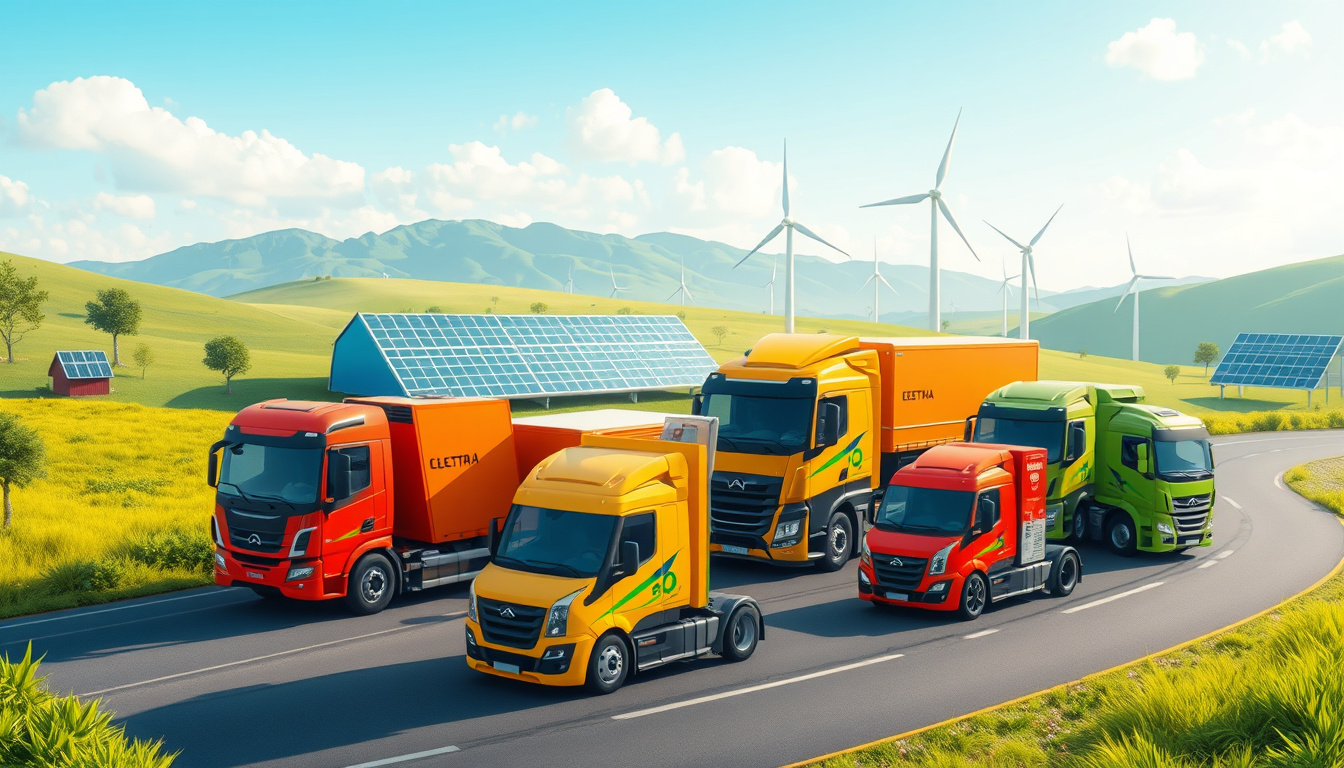
As we look towards a more sustainable future, the automotive industry is witnessing a significant shift with the rise of electric vehicles (EVs).
Among these innovations, electric trucks are carving out a niche for themselves, appealing to eco-conscious drivers and businesses alike.
In this comprehensive guide, we’ll explore the various types of electric trucks, including battery electric trucks, plug-in hybrid electric trucks, and hydrogen fuel cell trucks.
Each type comes with its own set of features and benefits, making it essential to understand these options as you consider making the switch to an electric truck.
Whether you’re looking to reduce your carbon footprint or save on fuel costs, knowing the different types of electric trucks will help you make an informed decision tailored to your needs.
 Types of Electric Trucks: A Comprehensive Guide for Eco-Conscious Drivers’ style=’display: block; margin: auto; max-width: 100%; height: auto;’>
Key Takeaways
- Electric trucks are revolutionizing the transportation industry with eco-friendly features.
- Battery electric trucks offer zero emissions and impressive performance capabilities.
- Plug-in hybrid electric trucks provide a blend of traditional and electric power, enhancing efficiency.
- Hydrogen fuel cell trucks represent a promising future for sustainable heavy-duty transport.
- Choosing the right electric truck depends on individual driving needs and environmental goals.
Introduction to Electric Trucks
Electric trucks have rapidly gained popularity as a sustainable and efficient alternative to traditional gasoline and diesel-powered vehicles.
With numerous advancements in technology, there are now several types of electric trucks catering to various needs and industries.
From light-duty trucks designed for urban delivery to heavy-duty electric trucks suitable for long-haul transportation, understanding the different types of electric trucks is essential for businesses looking to transition toward greener fleets.
Among these are battery electric trucks, which rely solely on battery power, and hybrid electric trucks, which combine a conventional engine with electric power for increased fuel efficiency.
Additionally, there are specialized electric trucks, such as refrigerated electric models for perishable goods and electric utility trucks that support maintenance operations in electric distribution.
As the market for electric vehicles continues to expand, exploring the various types of electric trucks available can help businesses make informed decisions that benefit both their operations and the environment.
Battery Electric Trucks: Features and Benefits
Battery electric trucks represent a significant advancement in the transportation industry, revolutionizing the way goods are moved while fostering sustainability.
One of the most compelling features of battery electric trucks is their zero-emission operation, which dramatically reduces carbon footprints, contributing to cleaner air quality in urban settings.
Additionally, these trucks are equipped with advanced regenerative braking systems that enhance energy efficiency by converting kinetic energy back into battery power.
Moreover, the integration of high-capacity batteries allows for impressive payload capacities and long-range capabilities, making them versatile for various industries.
The operating costs of battery electric trucks are also notably lower than traditional diesel trucks, as electricity is often cheaper than diesel fuel, and they typically require less maintenance due to fewer moving parts.
With the rise of electric vehicle charging infrastructure and technological advancements, battery electric trucks are becoming an increasingly attractive option for fleet operators looking to switch to eco-friendly alternatives.
In summary, exploring the different types of electric trucks unveils numerous advantages that align with a sustainable future, making them essential for modern logistics.
‘The future is electric, and clean, and in many ways it is achievable if we embrace the change now.’ – Unknown

Plug-in Hybrid Electric Trucks: Balancing Power and Efficiency
As the automotive industry moves towards a greener future, the introduction of plug-in hybrid electric trucks has emerged as a viable solution for balancing power and efficiency.
These trucks combine the robust performance of traditional gasoline engines with electric propulsion, providing a versatile option for both heavy-duty work and everyday driving.
Among the various types of electric trucks, plug-in hybrids stand out due to their ability to operate on electric power for short distances, reducing emissions and fuel costs, while also having the capability to switch to a gasoline engine for longer trips.
This unique blend offers truck owners the benefits of sustainability without sacrificing the utility and strength needed for hauling and towing.
Companies are increasingly adopting these vehicles not only to comply with environmental regulations but also to enhance their operational efficiency.
With advancements in battery technology and a growing charging infrastructure, plug-in hybrid electric trucks are quickly becoming an appealing choice for businesses and individuals seeking a responsible yet powerful transportation option.
Hydrogen Fuel Cell Trucks: The Future of Clean Transport
As the demand for sustainable transportation solutions grows, hydrogen fuel cell trucks are emerging as a leading contender among various types of electric trucks.
These innovative vehicles utilize hydrogen as a clean energy source, producing only water vapor as a byproduct, making them an eco-friendly alternative to conventional diesel trucks.
Unlike battery-electric trucks that rely solely on stored electrical energy, hydrogen fuel cell trucks combine hydrogen and oxygen to generate electricity onboard.
This unique process allows them to achieve a longer driving range and faster refueling times compared to their battery counterparts.
As industries look to reduce their carbon footprint, understanding the benefits and mechanics of hydrogen fuel cell trucks can provide valuable insights into the future of clean transport and the broader category of electric trucking solutions.
, Hybrid Electric Trucks (HETs), and Fuel Cell Electric Trucks (FCETs).</p><p>Battery Electric Trucks run solely on electric power stored in batteries, making them ideal for short-haul deliveries and urban environments, noted for their zero tailpipe emissions.</p><p>Hybrid Electric Trucks combine traditional internal combustion engines with electric propulsion, providing greater versatility for long-haul routes while still offering enhanced fuel economy and reduced emissions.</p><p>Lastly, Fuel Cell Electric Trucks utilize hydrogen to generate electricity, boasting quick refueling times and longer ranges, making them suitable for heavy-duty applications.</p><p>Each type of electric truck serves distinct operational needs, so evaluating your driving patterns, load requirements, and environmental goals will help you make an informed decision that aligns with your logistics and sustainability strategies.</p><h2><span class="ez-toc-section" id="Frequently_Asked_Questions"></span>Frequently Asked Questions<span class="ez-toc-section-end"></span></h2><h3><span class="ez-toc-section" id="What_are_the_main_types_of_electric_trucks"></span>What are the main <b>types of electric truck</b>s?<span class="ez-toc-section-end"></span></h3><p>The main <b>types of electric truck</b>s include Battery Electric Trucks, Plug-in Hybrid Electric Trucks, and Hydrogen Fuel Cell Trucks.</p><h3><span class="ez-toc-section" id="What_are_the_benefits_of_using_Battery_Electric_Trucks"></span>What are the benefits of using Battery Electric Trucks?<span class="ez-toc-section-end"></span></h3><p>Battery Electric Trucks are known for their zero tailpipe emissions, lower running costs, reduced noise pollution, and potential tax incentives for users.</p><h3><span class="ez-toc-section" id="How_do_Plug-in_Hybrid_Electric_Trucks_work"></span>How do Plug-in Hybrid Electric Trucks work?<span class="ez-toc-section-end"></span></h3><p>Plug-in Hybrid Electric Trucks combine an electric motor with a gasoline or diesel engine, allowing drivers to switch between electric and fossil fuel power, balancing efficiency and power.</p><h3><span class="ez-toc-section" id="What_advantages_do_Hydrogen_Fuel_Cell_Trucks_offer"></span>What advantages do Hydrogen Fuel Cell Trucks offer?<span class="ez-toc-section-end"></span></h3><p>Hydrogen Fuel Cell Trucks provide quick refueling times, longer ranges compared to battery electric trucks, and emit only water vapor, making them a clean transportation option.</p><h3><span class="ez-toc-section" id="How_can_I_choose_the_right_electric_truck_for_my_needs"></span>How can I choose the right electric truck for my needs?<span class="ez-toc-section-end"></span></h3><p>When choosing the right electric truck, consider factors such as range, payload capacity, charging infrastructure availability, and your specific usage requirements.</p><div class="sharedaddy sd-sharing-enabled"><div class="robots-nocontent sd-block sd-social sd-social-icon-text sd-sharing"><h3 class="sd-title">Share this:</h3><div class="sd-content"><ul><li class="share-facebook"><a rel="nofollow noopener noreferrer"
data-shared="sharing-facebook-10511"
class="share-facebook sd-button share-icon"
href="https://internationalelectriccar.com/types-of-electric-truck/?share=facebook"
target="_blank"
aria-labelledby="sharing-facebook-10511"
>
<span id="sharing-facebook-10511" hidden>Share on Facebook (Opens in new window)</span>
<span>Facebook</span>
</a></li><li class="share-x"><a rel="nofollow noopener noreferrer"
data-shared="sharing-x-10511"
class="share-x sd-button share-icon"
href="https://internationalelectriccar.com/types-of-electric-truck/?share=x"
target="_blank"
aria-labelledby="sharing-x-10511"
>
<span id="sharing-x-10511" hidden>Share on X (Opens in new window)</span>
<span>X</span>
</a></li><li class="share-end"></li></ul></div></div></div><div id=)