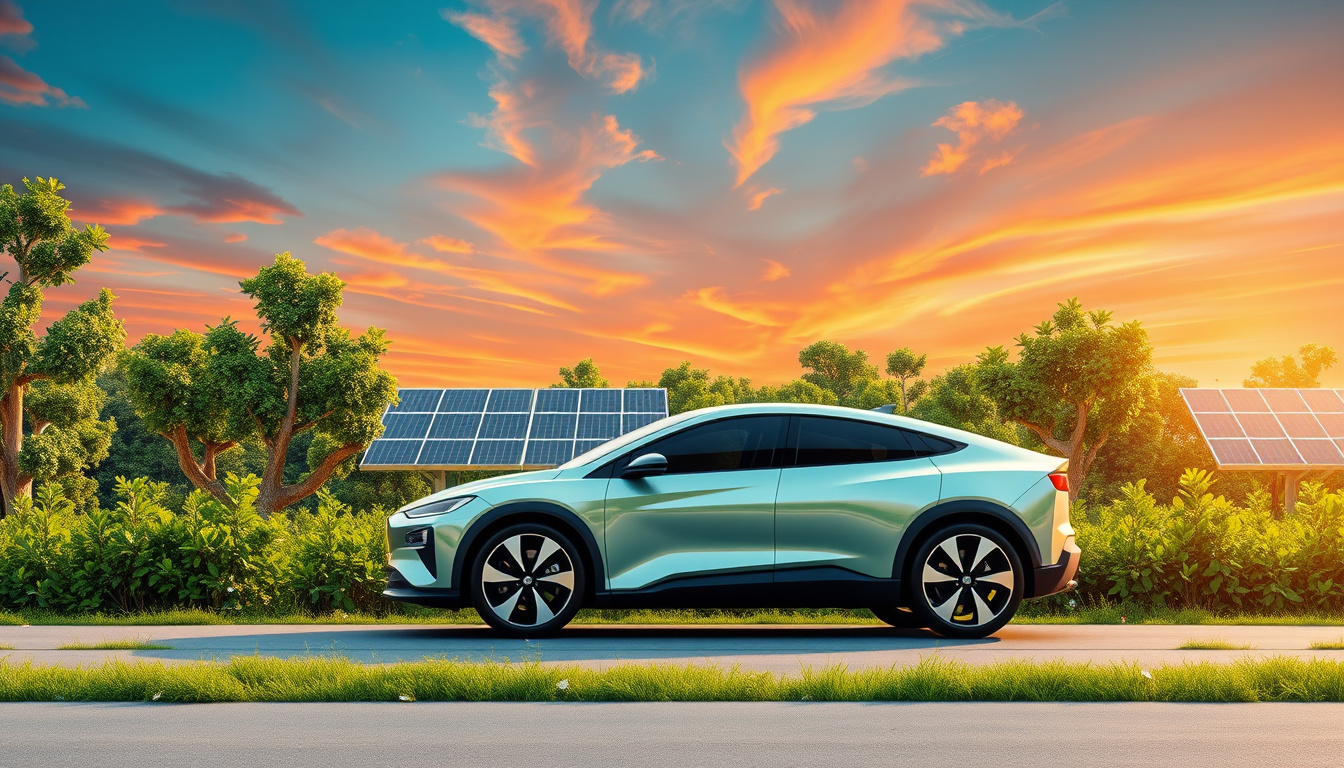
As the world moves towards a more sustainable future, drivers are increasingly seeking options that align with eco-conscious values without sacrificing performance or convenience.
One such option that has gained significant traction in recent years is the plugin hybrid vehicle (PHEV).
Combining the benefits of both traditional gasoline engines and electric motors, plugin hybrid vehicles offer an innovative solution to reducing carbon footprints while enhancing driving flexibility.
In this comprehensive guide, we will delve into the definition and mechanism of plugin hybrid vehicles, explore their advantages for environmentally-minded drivers, compare them with traditional and fully electric cars, examine government incentives supporting their adoption, and look into the future trends of plugin hybrid technology in the automotive market.
Join us as we unlock the future of eco-friendly driving and discover why plugin hybrid vehicles are a smart choice for today’s drivers.
 Plugin Hybrid Vehicles’ style=’display: block; margin: auto; max-width: 100%; height: auto;’>
Key Takeaways
- Plugin hybrid vehicles combine both electric and gasoline power for improved efficiency.
- Eco-conscious drivers can significantly reduce emissions and fuel costs with plugin hybrids.
- Comparatively, plugin hybrids offer greater flexibility than traditional and fully electric vehicles.
- Government incentives can enhance the affordability and attractiveness of plugin hybrids.
- The future of plugin hybrid technology lies in advancements that promise even greater sustainability and performance.
Understanding Plugin Hybrid Vehicles: Definition and Mechanism
Plugin hybrid vehicles (PHEVs) are an innovative blend of conventional gasoline engines and electric propulsion systems, designed to optimize fuel efficiency and reduce emissions.
Unlike traditional hybrid vehicles, which rely on regenerative braking and in-engine battery charging, plugin hybrid vehicles allow drivers to recharge their batteries using an external power source, typically a standard household outlet or dedicated charging station.
This feature enables them to operate solely on electric power for shorter trips, significantly enhancing their environmental benefits and fuel economy.
When the electric range is depleted, the vehicle seamlessly transitions to its gasoline engine, ensuring continued performance without range anxiety.
Understanding the definition and mechanism of a plugin hybrid vehicle is crucial for consumers looking to make environmentally friendly choices while maintaining flexibility in their driving experience.
Advantages of Plugin Hybrid Vehicles for Eco-Conscious Drivers
As the world becomes increasingly aware of the need for sustainable transportation, the plugin hybrid vehicle (PHEV) emerges as an ideal choice for eco-conscious drivers.
One of the primary advantages of PHEVs is their remarkable fuel efficiency, which allows drivers to rely on electric power for short trips while having the convenience of a gasoline engine for longer journeys.
This duality not only reduces greenhouse gas emissions but also decreases dependency on fossil fuels.
Additionally, many regions offer tax incentives and rebates for the purchase of PHEVs, making them a cost-effective option in the long run.
The combination of lower running costs and the ability to charge from home makes plugin hybrid vehicles incredibly appealing, allowing drivers to contribute to a healthier environment without sacrificing comfort or practicality.
Plus, with advancements in technology, many PHEVs come equipped with innovative features that enhance the driving experience, making them not just a smart choice for the planet but also a stylish and high-performing option.
‘The future is not a gift, it is an achievement.’ – Harry Lauder
 Plugin Hybrid Vehicles with Traditional and Electric Cars’ style=’display: block; margin: auto; max-width: 100%; height: auto;’>
Comparing Plugin Hybrid Vehicles with Traditional and Electric Cars
As the automotive industry evolves, many drivers find themselves comparing plugin hybrid vehicles (PHEVs) with traditional gas-powered cars and fully electric vehicles (EVs).
A plugin hybrid vehicle combines the advantages of both conventional engines and electric drivetrains, offering a unique solution for those who desire the flexibility of gasoline and the efficiency of electric batteries.
Unlike traditional vehicles that rely solely on internal combustion engines, PHEVs utilize a battery that can be recharged by plugging into an electrical outlet, allowing for short electric-only trips while maintaining a gasoline engine for extended journeys.
This setup not only reduces fuel consumption but also lowers emissions, bridging the gap for consumers who are hesitant to fully transition to electric.
In contrast, electric cars offer zero tailpipe emissions and significantly reduced operating costs, but they can be limited by range anxiety and charging infrastructure.
Ultimately, the choice between these options will depend on individual driving habits, environmental concerns, and the availability of charging stations, making plugin hybrid vehicles an increasingly popular middle ground for eco-conscious drivers.
Government Incentives and Support for Plugin Hybrid Vehicle Adoption
As the automotive industry shifts towards sustainability, government incentives and support for the adoption of plugin hybrid vehicles have gained significant momentum.
These vehicles, which combine an internal combustion engine with an electric motor, offer a bridge between traditional gasoline cars and fully electric vehicles, making them an appealing choice for many consumers.
Governments worldwide are keen on reducing carbon emissions, which is why numerous programs have been implemented that provide financial benefits for buyers.
Incentives may include tax credits, rebates on the purchase price, and exemptions from road tolls or congestion charges.
Additionally, many regions are investing in the infrastructure necessary to support plugin hybrid vehicles, such as enhanced charging stations and grants for upgrading home energy systems.
By promoting this eco-friendly technology through various supportive measures, governments are not only encouraging environmentally conscious decisions among consumers but are also propelling the auto industry towards a more sustainable future.

The Future of Plugin Hybrid Technology and Market Trends
As the automotive industry evolves, the future of plugin hybrid technology appears brighter than ever, driven by increasing consumer demand for sustainable and efficient transportation options.
Plugin hybrid vehicles (PHEVs) merge the benefits of electric and traditional gasoline engines, offering flexibility and an extended driving range that appeals to a wide range of drivers.
With advancements in battery technology, manufacturers are producing PHEVs with enhanced electric ranges, making them more appealing in an environmentally conscious market.
According to recent market trends, the adoption of plugin hybrid vehicles is projected to soar, spurred by government incentives, stricter emissions regulations, and a growing emphasis on reducing carbon footprints.
As infrastructure improves, particularly electric charging stations, the convenience of owning a PHEV increases, further solidifying its place in the future of automotive technology.
This shift not only promotes a sustainable future but positions plugin hybrid vehicles as crucial players in the transition towards zero-emission transportation.
Frequently Asked Questions
What is a plugin hybrid vehicle?
A plugin hybrid vehicle (PHEV) is a type of electric vehicle that combines a traditional internal combustion engine with an electric motor and a rechargeable battery.
This allows the vehicle to operate on electricity alone for shorter distances, while the petrol or diesel engine can be used for longer trips.
What are the main advantages of plugin hybrid vehicles?
Plugin hybrid vehicles offer several advantages, including improved fuel efficiency, reduced emissions, and the flexibility to switch between electric-only and hybrid modes.
They can significantly lower fuel costs for eco-conscious drivers and may qualify for government incentives.
How do plugin hybrid vehicles compare to traditional and fully electric cars?
Plugin hybrid vehicles provide a middle ground between traditional combustion engine vehicles and fully electric cars.
Unlike traditional vehicles, PHEVs can run on electricity, which reduces emissions.
Compared to fully electric cars, PHEVs offer the benefit of extended range due to their gasoline engines, making them ideal for those concerned about range anxiety.
Are there any government incentives for purchasing a plugin hybrid vehicle?
Yes, many governments offer various incentives for buying plugin hybrid vehicles, including tax credits, rebates, and grants.
Specific incentives vary by region, so it’s recommended to check local programs to see what benefits are available.
What does the future hold for plugin hybrid vehicle technology?
The future of plugin hybrid technology is promising with ongoing advancements in battery technology, increased charging infrastructure, and a growing market demand for eco-friendly transportation.
Trends suggest that as technology improves, PHEVs will become more efficient and may play a crucial role in the transition to more sustainable driving solutions.