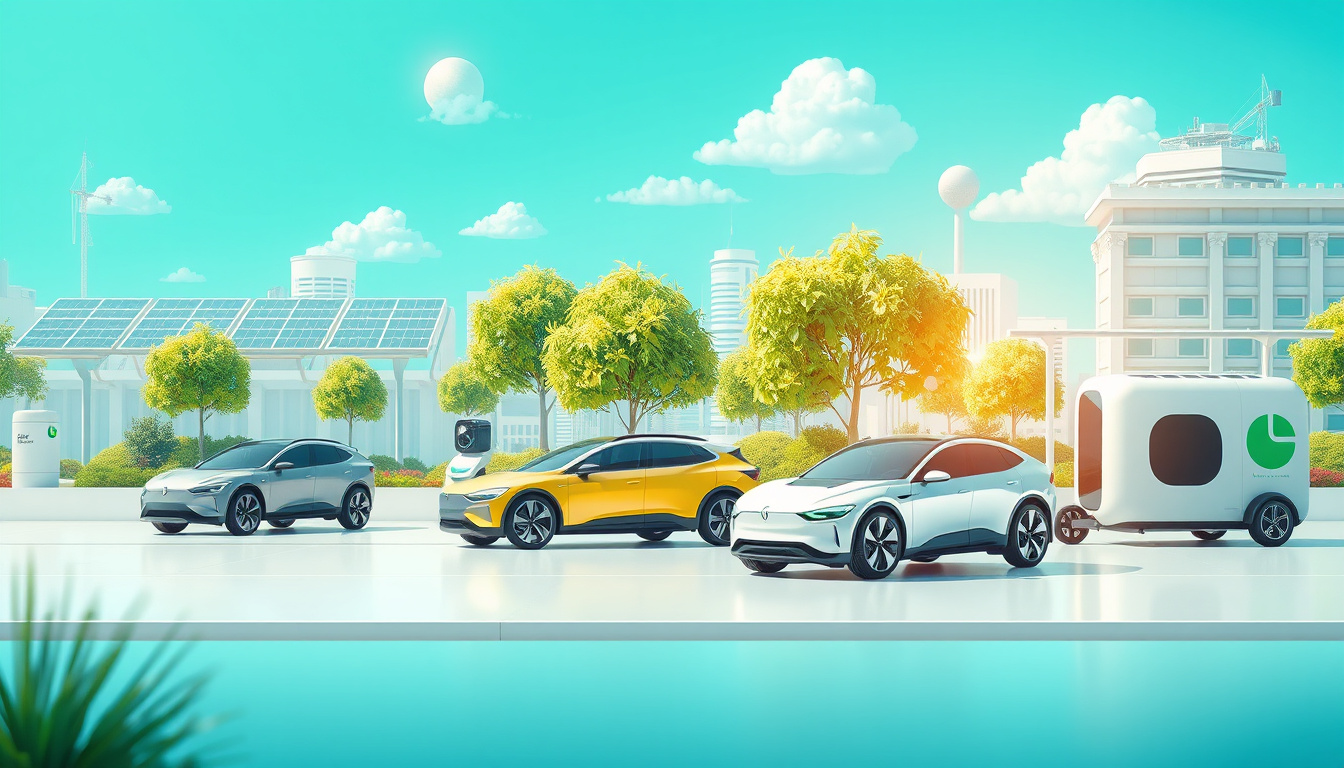
As the world increasingly shifts towards sustainable solutions to mitigate climate change, the transportation sector stands at the forefront of this evolution.
Hybrid electric vehicles (HEVs) and hydrogen vehicles are leading the charge, representing a compelling blend of innovation and eco-friendliness.
These advanced mobility solutions not only promise enhanced efficiency and reduced emissions, but they also pave the way for a cleaner, greener future.
In this article, we delve into the intricacies of hybrid electric vehicles and hydrogen technology, exploring their benefits, challenges, and the exciting advancements that lie ahead in the realm of eco-friendly transportation.

Key Takeaways
- Hybrid electric vehicles (HEVs) offer significant advantages in reducing emissions and enhancing fuel efficiency.
- Hydrogen technology promises to revolutionize transportation through clean fuel cells and zero-emission vehicles.
- The integration of HEVs and hydrogen vehicles is crucial for achieving sustainable mobility solutions.
- Challenges such as infrastructure, cost, and technology development must be addressed for widespread adoption.
- Ongoing innovations in hybrid and hydrogen technologies will shape the future of eco-friendly transportation.
Introduction to Hybrid Electric Vehicles and Hydrogen Technology
In recent years, the automotive industry has seen a significant shift towards sustainable transportation solutions, notably with the emergence of hybrid electric vehicles (HEVs) and hydrogen vehicles.
Hybrid electric vehicles combine conventional internal combustion engines with electric propulsion, providing enhanced fuel economy and reduced emissions.
On the other hand, hydrogen vehicles operate using hydrogen fuel cells, producing only water as a byproduct, making them a truly zero-emission option.
Both technologies aim to combat environmental concerns and reduce reliance on fossil fuels.
Understanding these innovative vehicle types is essential for consumers and environmental advocates alike, as they represent the future of mobility and a key step towards a greener planet.
In this article, we will explore the mechanics, benefits, and challenges associated with hybrid electric vehicles and hydrogen vehicle technology.
Benefits of Hybrid Electric Vehicles in Sustainable Transportation
Hybrid electric vehicles (HEVs) and hydrogen vehicles are transforming the landscape of sustainable transportation, offering numerous benefits that cater to the growing demand for eco-friendly commuting options.
One significant advantage of hybrid electric vehicles is their enhanced fuel efficiency, as they combine an internal combustion engine with an electric motor, allowing for reduced fuel consumption and lower greenhouse gas emissions compared to traditional vehicles.
Moreover, HEVs contribute to a smoother transitioning towards hydrogen vehicles, which are increasingly recognized for their potential to further minimize environmental impact.
By harnessing renewable energy sources, hydrogen vehicles emit only water vapor, offering a zero-emission alternative.
Additionally, both HEVs and hydrogen vehicles can provide a reliable range for drivers, alleviating concerns related to charging infrastructures typical of fully electric cars, thus making them practical solutions for everyday use.
With advancements in technology, the synergy between hybrid electric vehicles and hydrogen vehicles could pave the way for a sustainable future in transportation.
‘The greatest threat to our planet is the belief that someone else will save it.’ – Robert Swan

The Role of Hydrogen Fuel Cells in Future Mobility
As the automotive industry shifts towards sustainable solutions, the role of hydrogen fuel cells in future mobility becomes increasingly significant.
Unlike traditional hybrid electric vehicles that combine gasoline engines with electric power, hydrogen vehicles offer a unique alternative by utilizing hydrogen gas to produce electricity through a chemical reaction.
This innovative technology not only enables zero-emission transport but also presents a quicker refueling process compared to battery electric vehicles.
As governments and manufacturers invest heavily in hydrogen infrastructure and innovation, the potential for hydrogen fuel cells to revolutionize transportation is on the horizon, bridging the gap between current hybrids and fully electric solutions.
Embracing hydrogen technology can lead to cleaner urban environments and support the transition to a more sustainable, efficient, and versatile mobility ecosystem.
Challenges Facing Hybrid and Hydrogen Vehicles
As the automotive industry evolves, hybrid electric vehicles (HEVs) and hydrogen vehicles face a unique set of challenges that impact their mainstream adoption.
One of the primary hurdles for hybrid electric vehicles is the reliance on battery technology, which can be expensive and environmentally taxing to produce.
Additionally, the charging infrastructure, though steadily improving, is not as widespread or accessible as traditional fuel stations, leading to range anxiety for potential users.
On the other hand, hydrogen vehicles face their own set of challenges, particularly surrounding the production and distribution of hydrogen fuel.
Most hydrogen is currently generated from natural gas, contributing to greenhouse gas emissions that counteract the environmental benefits these vehicles promise.
Moreover, the hydrogen refueling infrastructure is still in its infancy, making it difficult for consumers to find fueling stations comparable to those for gasoline.
Investing in research and development to enhance battery efficiency and scaling up hydrogen production methods could help address these challenges, ultimately paving the way for a cleaner, more sustainable transportation future.

The Road Ahead: Innovations and Future Trends in Eco-Friendly Transportation
As we continue to grapple with the escalating effects of climate change and urban pollution, the transportation sector stands at a pivotal crossroads.
The rise of hybrid electric vehicles (HEVs) marks a significant shift towards more sustainable mobility options, combining internal combustion engines with electric propulsion to enhance fuel efficiency and reduce emissions.
On the other hand, hydrogen vehicles are emerging as a promising alternative, offering the potential for zero-emission driving through hydrogen fuel cells.
These innovations not only represent a vital step towards greener transportation but also signal the future trends we can expect to dominate the industry in the coming years.
With advancements in technology, increased investment in sustainable infrastructure, and heightened consumer awareness about ecological impacts, the path forward is set for a revolution in eco-friendly transportation solutions.
Frequently Asked Questions
What are hybrid electric vehicles (HEVs)?
Hybrid electric vehicles (HEVs) are cars that use both an internal combustion engine and an electric motor to improve fuel efficiency and reduce emissions.
They can switch between the two power sources or use both simultaneously.
How do hydrogen fuel cell vehicles work?
Hydrogen fuel cell vehicles generate electricity through a chemical reaction between hydrogen and oxygen, producing only water as a byproduct.
This electricity powers the vehicle’s electric motor, making them a clean alternative to traditional gasoline engines.
What are the main benefits of using hybrid electric vehicles?
HEVs offer several benefits including reduced greenhouse gas emissions, improved fuel efficiency, lower operating costs, and the potential for less dependence on fossil fuels, contributing to a more sustainable transportation system.
What challenges do hybrid and hydrogen vehicles face today?
Some key challenges include the high cost of technologies, limited charging and refueling infrastructure, range anxiety among consumers, and the need for further advancements in battery and fuel cell technologies to enhance performance.
What trends are shaping the future of eco-friendly transportation?
Innovations such as advancements in battery technology, increased investment in hydrogen infrastructure, government incentives for clean vehicles, and a growing public awareness of climate change are all contributing to the evolution of eco-friendly transportation.