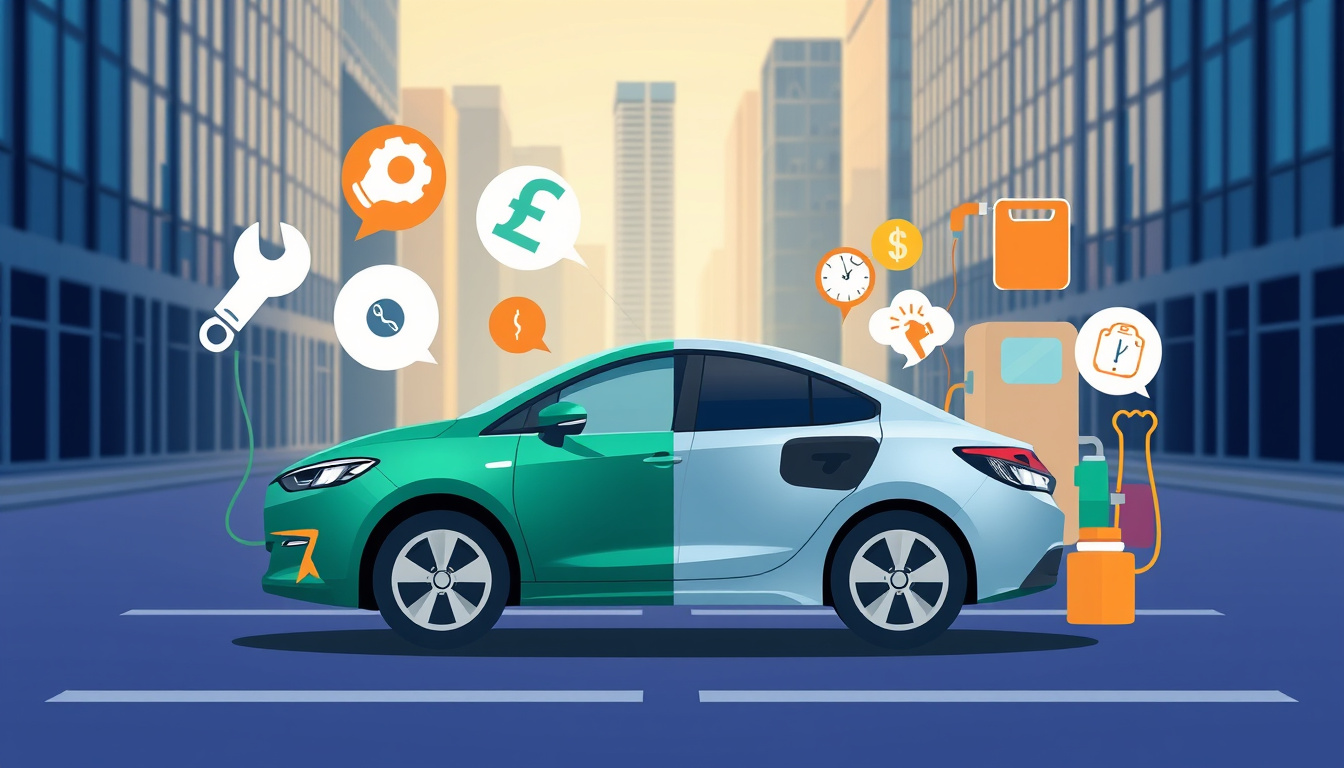
As the automobile industry evolves, the debate between electric vehicles (EVs) and gasoline cars continues to gain momentum.
One of the primary considerations for potential car buyers is the maintenance costs associated with each type.
In this article, we will delve into the electric car maintenance cost vs gas cars, examining which option is more affordable in the long run.
We’ll explore the maintenance requirements for both vehicle types, enabling readers to make informed decisions on their next car purchase.

Key Takeaways
- Electric cars generally have lower maintenance costs compared to gasoline cars due to fewer moving parts.
- Battery replacement for electric vehicles can be a significant expense impacting long-term maintenance costs.
- Gasoline cars typically require more frequent oil changes and exhaust system maintenance.
- Factors such as vehicle age, manufacturer, and driving habits greatly influence maintenance costs for both types of cars.
- Overall, considering lifetime costs, electric vehicles are often more cost-effective than gasoline vehicles.
Introduction to Electric and Gas Cars
When considering a new vehicle, one of the crucial factors potential buyers evaluate is the \’electric car maintenance cost vs gas\’ comparison.
This comparison goes beyond fuel expenses and includes routine upkeep, repairs, and overall longevity.
Electric vehicles (EVs) tend to have lower maintenance costs because they feature fewer moving parts than traditional gas-powered cars, which often rely on complex engines and transmission systems.
For instance, EVs do not require oil changes, and they typically have less wear and tear on brakes due to regenerative braking systems.
On the other hand, gas cars necessitate regular servicing, including oil changes, transmission fluid checks, and exhaust system maintenance, all of which can add up significantly over time.
Understanding this key difference can help consumers make informed decisions when choosing between electric and gas vehicles, ultimately leading to long-term savings and environmental benefits.
Overview of Maintenance Costs for Electric Cars
When considering the total cost of ownership for vehicles, understanding the electric car maintenance cost vs gas cars is crucial for potential buyers.
Electric vehicles (EVs) offer several advantages over traditional gasoline vehicles, not just in terms of fuel efficiency but also in maintenance costs.
Generally, electric cars have fewer moving parts than their gas counterparts, which means there are fewer components that could potentially fail or require replacement.
For instance, electric vehicles do not require oil changes, fuel filter changes, spark plugs, or exhaust system repairs, resulting in significant savings in maintenance over time.
Studies indicate that electric car maintenance costs are typically 30-50% lower than those of gas vehicles, attributable to the simpler drivetrains and regenerative braking systems that reduce wear and tear on brakes.
However, it’s important for prospective EV owners to consider factors such as battery replacement costs, which can be a significant expense at the end of the battery’s life.
Overall, while the initial investment for an electric vehicle may be higher, the long-term savings in maintenance make them an appealing option for budget-conscious consumers.
‘The best way to predict the future is to create it.’ – Peter Drucker

Overview of Maintenance Costs for Gasoline Cars
When considering the overall ownership experience of a vehicle, it is crucial to examine maintenance costs, particularly when comparing electric car maintenance cost vs gas vehicles.
Generally, gasoline cars require more frequent and often more expensive maintenance due to their complex internal combustion engines.
This includes regular oil changes, exhaust system repairs, and more frequent brake replacements.
On the other hand, electric vehicles (EVs) tend to have lower maintenance costs, as they have fewer moving parts and do not require oil changes or traditional engine upkeep.
Moreover, the simplicity of electric drivetrains typically translates into fewer scheduled maintenance services, which can lead to significant long-term savings for EV owners.
While the initial purchase price of electric cars might be higher, the reduced maintenance expenses can be a compelling benefit that many consumers overlook when evaluating the electric car maintenance cost vs gas options.
By understanding these differences, potential buyers can make a more informed decision based on their budget and lifestyle.
Comparative Analysis: Electric vs Gas Maintenance Costs
When considering the purchase of a vehicle, one of the most significant factors to assess is the ongoing maintenance costs.
In a comparative analysis of electric car maintenance cost vs gas vehicles, electric cars generally emerge as the more economical choice over time.
Electric vehicles (EVs) have fewer moving parts than traditional gasoline-powered cars, which often translates into lower maintenance needs.
For example, electric motors do not require oil changes, and they often boast regenerative braking systems that reduce wear on brake components.
On the other hand, gas cars typically require frequent oil changes, exhaust system repairs, and more regular brake maintenance due to the greater amount of friction seen in their operation.
Overall, while the initial purchase price of electric vehicles may be higher, the savings on maintenance costs contribute significantly to the total cost of ownership, reinforcing the appeal of electric vehicles in today’s environmentally conscious market.

Factors Influencing Maintenance Costs in Electric and Gas Cars
When considering the costs associated with maintaining a vehicle, it’s important to delve into the distinct factors that influence electric car maintenance cost vs gas car maintenance.
One of the primary factors is the complexity of the vehicle’s technology; electric cars generally have fewer moving parts compared to traditional gas vehicles, which can result in lower maintenance costs over time.
For example, electric vehicles (EVs) do not require oil changes, fuel filters, spark plugs, or exhaust systems, all of which are integral to gas-powered cars.
This reduction in components often translates to fewer trips to the mechanic and, consequently, lower repair bills.
However, while the routine maintenance for EVs might be cheaper, potential costs like battery replacement can be significant, with some batteries requiring replacement after 8 to 15 years depending on usage.
In contrast, gas cars have ongoing fuel and maintenance costs that can accumulate quickly, including regular oil changes, brake repairs, and engine tune-ups.
Other influencing factors include driving habits, local environmental conditions, and the availability of specialized services for electric vehicles, which can affect overall ownership costs.
Understanding these differences can help potential car buyers make informed decisions based on long-term financial implications.
Long-term Financial Impact of Vehicle Maintenance Costs
When considering the long-term financial impact of vehicle ownership, one crucial factor that often gets overlooked is the maintenance cost associated with electric cars compared to traditional gas vehicles.
While many potential buyers are attracted to electric cars due to their lower fuel costs and environmental benefits, it’s essential to dive deeper into the electric car maintenance cost vs gas vehicles.
On average, electric vehicles (EVs) tend to have lower maintenance expenses because they are powered by fewer moving parts, which minimizes wear and tear.
For instance, EVs do not require oil changes, and their braking systems often last longer due to regenerative braking technology.
In contrast, gas vehicles typically incur more frequent maintenance expenses related to oil changes, engine services, and complex mechanical systems.
Over time, this disparity can lead to significant savings for electric car owners, effectively making them not only a greener choice but a financially smarter one as well.
By understanding these long-term financial implications, consumers can make more informed decisions, ensuring that they select a vehicle that aligns with both their budget and environmental values.

Conclusion: Which is More Affordable?
When considering the overall expenses of vehicle ownership, one critical factor stands out: the maintenance costs associated with electric cars versus gas-powered vehicles.
Electric car maintenance cost tends to be significantly lower than that of traditional internal combustion engines.
This is largely due to the fact that electric vehicles (EVs) have fewer moving parts, leading to reduced wear and tear.
Additionally, EVs do not require oil changes, which can save drivers substantial amounts over time.
On the other hand, gas cars often incur costs related to engine maintenance, exhaust systems, and more frequent brake pad replacements.
Overall, when comparing electric car maintenance cost vs gas, it becomes clear that EVs offer a more affordable and sustainable option in the long run, especially as technology continues to advance and the infrastructure for electric vehicles improves.
Frequently Asked Questions
What are the average maintenance costs for electric cars compared to gas cars?
On average, electric cars tend to have lower maintenance costs compared to gas cars.
Electric vehicles typically require less frequent servicing since they have fewer moving parts, with an average annual maintenance cost of approximately $400-$600, whereas gas cars may incur costs ranging from $600-$1,000 yearly due to oil changes, exhaust system repairs, and more complex engines.
What factors influence the maintenance costs of electric and gas vehicles?
The maintenance costs of electric and gas vehicles are influenced by several factors including the vehicle model, usage patterns, local labor costs, type of repairs needed, frequency of servicing, and availability of parts.
Electric vehicles benefit from fewer mechanical components and less frequent maintenance, while gas vehicles may have higher costs associated with engine parts and traditional fluid changes.
How do battery replacements impact the long-term costs of owning an electric car?
Battery replacements can be a significant factor in the long-term costs of electric vehicle ownership.
While modern EV batteries are designed to last between 8 to 15 years, replacement can be expensive, often ranging from $5,000 to $15,000.
However, many manufacturers offer warranties that can cover battery performance over a certain period, which can mitigate these costs.
Do electric cars require special maintenance that can affect their overall expense?
Electric cars do not require the same maintenance as gas cars, but they do have unique maintenance needs, such as regularly checking the battery health and periodically replacing brake fluid or tires.
The lack of oil changes and exhaust system upkeep generally leads to lower overall expenses for electric cars.
Which is more affordable in terms of long-term ownership costs, electric cars or gas cars?
Electric cars generally tend to be more affordable over the long term compared to gas cars, especially when considering lower maintenance costs, fuel savings, and potential tax incentives.
Although the initial purchase price of electric vehicles can be higher, the savings accumulated over time from reduced maintenance and fuel can make them a more economical choice.