As the world grapples with climate change and seeks sustainable alternatives to traditional fuel sources, Battery Electric Vehicles (BEVs) are emerging as a transformative force within the auto industry.
This article explores the innovative technology behind BEVs, their significant environmental benefits, the hurdles that need to be navigated for widespread adoption, and the exciting future that awaits us in the realm of electric transportation.
Join us on this journey as we uncover how Battery Electric Vehicles are not just changing the way we drive, but are also paving the way for a greener, more sustainable planet.
Battery electric vehicles (BEVs) are transforming the automotive landscape by prioritizing sustainability.
The environmental benefits of BEVs include a significant reduction in greenhouse gas emissions and air pollution.
Innovations such as improved battery technology and charging infrastructure are enhancing the performance and convenience of BEVs.
Despite challenges like charging accessibility and battery costs, consumer interest in BEVs continues to grow.
The future of the auto industry is leaning heavily toward battery electric vehicles as governments and manufacturers prioritize greener alternatives.
Introduction to Battery Electric Vehicles
In recent years, the automotive landscape has seen a transformative shift towards sustainability, with the emergence of Battery Electric Vehicles (BEVs) leading the charge.
These vehicles are powered entirely by electricity stored in batteries, offering a cleaner, greener alternative to traditional gasoline-powered cars.
Unlike hybrid vehicles, which combine an internal combustion engine with an electric motor, BEVs operate solely on electric power, resulting in zero tailpipe emissions.
This shift towards battery electric vehicles is driven by a combination of technological advancements, environmental concerns, and fluctuating oil prices, making electric mobility an increasingly viable option for consumers.
Electric vehicles not only contribute to reducing air pollution but also offer potential cost savings on fuel and maintenance.
As the industry evolves, understanding the features, benefits, and implications of BEVs becomes essential for anyone looking to navigate the future of transportation.
The Environmental Impact of Battery Electric Vehicles
As the world shifts towards sustainable energy solutions, the environmental impact of battery electric vehicles (BEVs) has become a critical topic of discussion.
Battery electric vehicles operate solely on electricity, producing zero tailpipe emissions, which significantly reduces air pollution compared to traditional internal combustion engine vehicles.
However, the production of BEVs, particularly the batteries, raises concerns about resource extraction, energy consumption, and carbon footprint.
The mining of lithium, cobalt, and nickel—essential components for lithium-ion batteries—can lead to environmental degradation and negative social impacts in mining communities.
Despite these challenges, the overall lifecycle emissions of battery electric vehicles are considerably lower than those of gasoline vehicles when considering their emissions during use and production.
Investing in renewable energy sources for electricity generation can further enhance the positive environmental effects of BEVs.
Moreover, advancements in recycling technologies and a focus on sustainable mining practices are crucial to mitigate the environmental impact and ensure the long-term viability of battery electric vehicles in the fight against climate change.
‘The greatest threat to our planet is the belief that someone else will save it.’ – Robert Swan
Technological Advances in Battery Electric Vehicles
In recent years, battery electric vehicles (BEVs) have gained significant traction due to technological advances that have revolutionized the automotive landscape.
These advancements include improved battery chemistry, which has led to longer ranges and faster charging times, making BEVs more practical for everyday use.
Innovations in battery management systems enhance performance and longevity, while cutting-edge software algorithms optimize energy efficiency.
Moreover, with the adoption of lightweight materials and aerodynamics, modern battery electric vehicles are not only more efficient but also increasingly appealing to consumers.
As charging infrastructure expands and more manufacturers invest in electric mobility, the shift towards battery electric vehicles is set to accelerate, ultimately paving the way for a sustainable automotive future.
Challenges Facing the Adoption of Battery Electric Vehicles
As the automotive industry shifts towards greener alternatives, the adoption of battery electric vehicles (BEVs) faces several notable challenges that must be addressed to accelerate their entry into the mainstream market.
One of the primary hurdles is the limited range that many BEVs offer compared to traditional gasoline vehicles, which can lead to range anxiety among potential users.
Additionally, the availability and accessibility of charging infrastructure remain critical issues; without enough charging stations, especially in rural areas, consumers may hesitate to make the transition.
Furthermore, battery production poses environmental concerns, given the mining processes for lithium and other materials.
The high upfront costs of BEVs can also deter buyers, despite the long-term savings on fuel and maintenance.
To overcome these challenges, significant investments in technology development, charging networks, and public education on the long-term benefits of battery electric vehicles are essential.
Battery Electric Vehicles in the Auto Industry’ style=’display: block; margin: auto; max-width: 100%; height: auto;’>
The Future Outlook for Battery Electric Vehicles in the Auto Industry
The future outlook for battery electric vehicles (BEVs) in the auto industry is not just promising; it’s transformative.
As environmental concerns continue to rise, automakers are increasingly focusing on transitioning from traditional gasoline and diesel engines to cleaner alternatives, with BEVs leading the charge.
Major automotive manufacturers are ramping up investments in electric vehicle technology, developing more efficient batteries that provide longer ranges and shorter charging times.
Innovations in battery technology, such as solid-state batteries, are expected to enhance safety and energy density, making BEVs even more appealing to consumers.
Additionally, government policies and incentives worldwide are favoring the adoption of battery electric vehicles, creating a favorable market environment.
As infrastructure improves, with more charging stations being installed in urban areas and highway corridors, the barriers to owning a battery electric vehicle are quickly diminishing.
Consequently, industry experts predict that by the end of the decade, BEVs could account for a significant portion of the global automotive market, fundamentally altering not only how we travel but also how we approach sustainable living.
Frequently Asked Questions
What are battery electric vehicles (BEVs)?
Battery electric vehicles (BEVs) are automobiles powered entirely by electric batteries.
Unlike traditional vehicles that rely on internal combustion engines, BEVs run on electric motors that draw energy from rechargeable batteries.
What environmental benefits do battery electric vehicles offer?
Battery electric vehicles significantly reduce greenhouse gas emissions compared to conventional vehicles.
They produce zero tailpipe emissions, which helps to improve air quality, and their overall carbon footprint can be lower when charged from renewable energy sources.
What technological advances are impacting the development of battery electric vehicles?
Recent technological advances include improvements in battery efficiency, such as higher energy density and faster charging times, as well as innovations in electric motor design and lightweight materials that enhance vehicle performance and range.
What challenges do battery electric vehicles face in gaining wider adoption?
Challenges include limited charging infrastructure, higher upfront costs compared to gasoline vehicles, range anxiety among consumers, and the need for advancements in battery technology to support longer driving distances and faster recharging.
What does the future hold for battery electric vehicles in the auto industry?
The future looks promising for battery electric vehicles, with increasing investment from automakers, expanding charging networks, government incentives for EV adoption, and a growing consumer demand for sustainable transportation options all contributing to their anticipated rise in popularity.
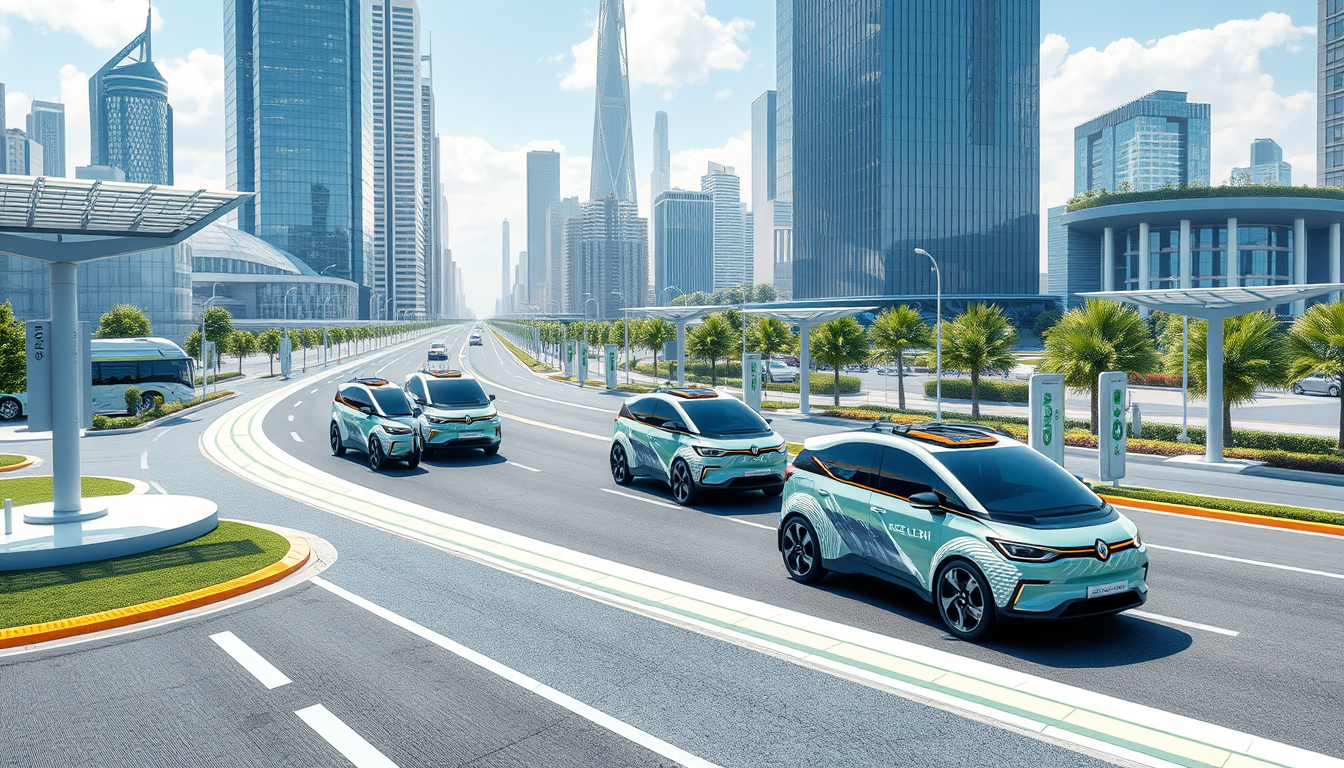

 Battery Electric Vehicles’ style=’display: block; margin: auto; max-width: 100%; height: auto;’>
 Battery Electric Vehicles in the Auto Industry’ style=’display: block; margin: auto; max-width: 100%; height: auto;’>